
Gradual Community

Building a Smarter Community Operating Model for the Year Ahead
Building a Smarter Community Operating Model for the Year Ahead
# Theme: Community Building & DevRel
# Theme: Leadership & Executive Perspectives
# Challenge: Early Growth
# Format: Best Practices & Playbooks
# Role: Community/DevRel

How to define roles, metrics, and rhythms so community supports growth, retention, and revenue.

January 27, 2026
Joshua Zerkel
Joshua Zerkel
Building a Smarter Community Operating Model for the Year Ahead
At the start of the year, many teams feel pressure to formalize how community work operates. There’s a desire for clarity and consistency, especially as expectations grow. At the same time, community programs are often still evolving, making it hard to know how much structure is appropriate.
An effective operating model doesn’t try to solve everything upfront. It provides enough clarity to support the work that needs to happen now, while leaving room to adapt as the year unfolds.
The focus is less on maturity and more on usefulness.

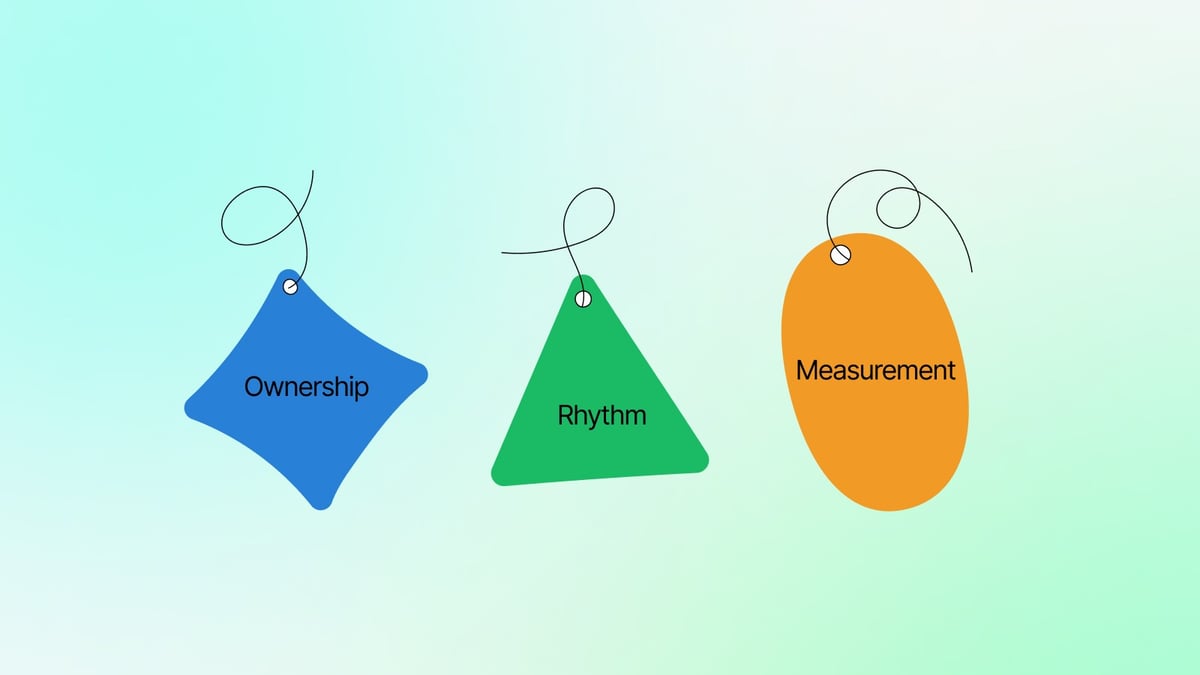
Clarify ownership so work can move forward

Unclear ownership is one of the most common sources of friction in community work. Even small teams benefit from being explicit about who is responsible for direction, execution, and outcomes.
Early operating models often focus on a few practical questions:
  • Who owns community priorities and decisions?
  • Who contributes inputs or execution when needed?
  • Who needs visibility to stay aligned?
Answering these questions helps set expectations and reduces hesitation. It also makes cross-functional collaboration easier because responsibilities are visible rather than assumed.
Over time, this clarity creates steadiness. Teams spend less energy negotiating ownership and more energy learning from the work itself.

Establish rhythms that support reflection

Consistency matters more than complexity, especially early on. Rather than building a dense operating cadence, many teams benefit from a small number of predictable rhythms.
These rhythms might include:
  • A regular check-in with GTM stakeholders to share context.
  • A recurring moment to review community insight.
  • A simple quarterly planning conversation.
What matters most is not how often these happen, but that they happen reliably. These rhythms create space for reflection and adjustment without overwhelming the team.

Measure in service of learning

Early measurement is most useful when it helps teams understand direction rather than prove value. At this stage, metrics are less about validation and more about orientation.
Helpful indicators often focus on:
  • The depth and relevance of participation.
  • Topics that surface repeatedly over time.
  • How stakeholders engage with shared insights.
These signals help teams notice what’s changing and decide where to adjust. They also provide enough grounding to keep conversations constructive as expectations evolve.

Set foundations without overcommitting

A community operating model works best when it reflects how the team actually operates today. January is a good moment to set foundations, not to finalize structures.
When ownership is clear, rhythms are steady, and measurement supports learning, the operating model becomes a quiet enabler of progress rather than a constraint. As the year unfolds, it can evolve alongside the community itself.

Key takeaways

  • Operating models should match current reality.
  • Clear ownership and steady rhythms reduce friction.
  • Early measurement works best when it guides learning.

FAQ

How much structure should we define upfront? Enough to support the next quarter of work without locking in assumptions too early.
How often should the operating model be revisited? Quarterly reviews are usually sufficient in early stages.
What if team size or priorities change mid-year? Lightweight models tend to adapt more easily than rigid ones.
Comments (0)
Popular
avatar

Table Of Contents
Dive in

Related

Resource
How Reflection Strengthens Community Strategy and Sets the Stage for Smarter Growth
By Joshua Zerkel • Dec 3rd, 2025 Views 62
Blog
New Year, New Strategies: Community Roundtable in San Francisco
By Joshua Zerkel • Jan 23rd, 2026 Views 16
Blog
Building Together: Inside the Gradual Community
By Joshua Zerkel • Oct 30th, 2025 Views 28
Resource
How Reflection Strengthens Community Strategy and Sets the Stage for Smarter Growth
By Joshua Zerkel • Dec 3rd, 2025 Views 62
Blog
Building Together: Inside the Gradual Community
By Joshua Zerkel • Oct 30th, 2025 Views 28
Blog
New Year, New Strategies: Community Roundtable in San Francisco
By Joshua Zerkel • Jan 23rd, 2026 Views 16
© 2026 Gradual Community
Privacy Policy