
Gradual Community

Playbook: Communicating Through A Community Migration
Playbook: Communicating Through A Community Migration
# Theme: Community Building & DevRel
# Format: Best Practices & Playbooks
# Challenge: Cross-Functional Alignment
# Role: Community/DevRel

A practical guide for helping members understand what’s changing, what to expect, and where to go during a live community migration.

February 26, 2026 · Last updated on February 3, 2026
Ryan  Paredez
Ryan Paredez
Joshua Zerkel
Joshua Zerkel
Playbook: Communicating Through A Community Migration
This playbook is for community leaders responsible for member communication once a migration is underway. At this point, preparation work is largely complete. Decisions about scope, timing, and destination have been made. What remains is the ongoing work of helping members make sense of change as it happens. This playbook focuses on the communication work during an active migration.
Communication during a community migration is the practice of sharing timely, relevant information so members don’t feel lost when familiar things shift. When communication is unclear or inconsistent, even small changes can feel disruptive. When it’s handled thoughtfully, members are more likely to stay oriented and re-engage at their own pace.
The guidance here reflects patterns seen across many community migrations, including lessons shared during recent Community Tactics with Gradual sessions. The intent is to offer practical direction that applies across platforms, industries, and community sizes.

Start with what members are trying to figure out

During a migration, internal teams often carry a lot of context. Dependencies, timelines, edge cases, and platform limitations can dominate planning conversations. Members experience something much simpler.
Most members are trying to answer a short list of questions:
  • Will I still be able to sign in?
  • Do I need to do anything right now?
  • Where did the things I used before go?
Effective migration communication starts by organizing messages around those questions. Information that doesn’t change the member experience can remain internal. Messages that focus on access, continuity, and next steps are easier to absorb and act on.

Organize communication around moments that matter

A common mistake during migrations is sharing too many updates without a clear purpose. Members don’t need a running commentary on progress. They need information when something changes for them.
Organizing communication around key moments helps keep messages relevant and reduces fatigue.
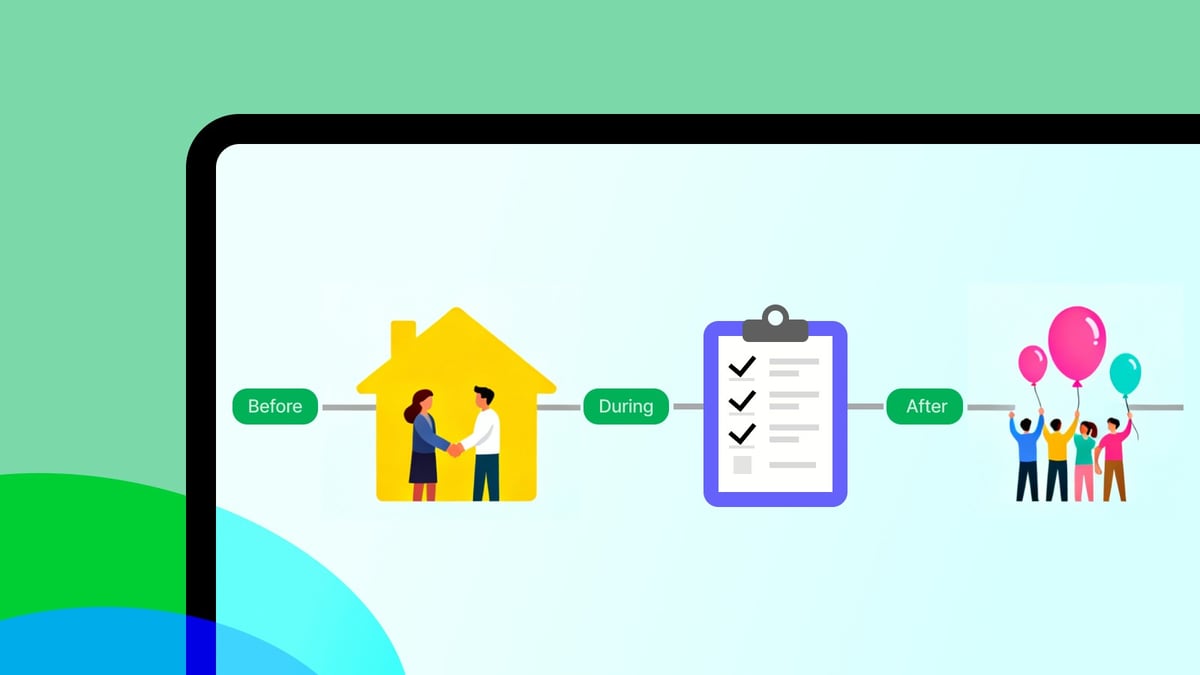
Those moments usually fall into a few clear phases:
  • Early awareness Let members know a change is coming so it doesn’t feel sudden.
  • Action-oriented updates Share clear instructions tied to one specific step.
  • Launch reminders Reinforce timing and what will feel different.
  • Post-launch orientation Help members find familiar programs, content, and spaces.
Early communication should focus on awareness. Let members know a change is coming, even if not all details are final. The goal is to avoid surprise and give people time to adjust.
As the migration approaches, messages can shift toward action. This is when members need clear instructions, such as creating an account in a new system or updating a bookmark. These messages work best when they focus on one action and explain why it’s useful.
Around launch, reminders should reinforce timing and what to expect. After launch, communication should help members reorient by showing where familiar programs, content, and spaces now live.

Write messages that respect attention and time

Migration messages are more effective when they’re concise, focused, and written in plain language. Each message should have a clear reason for being sent and, when needed, one primary call to action.
It helps to assume members are skimming. Subject lines, headings, and opening sentences should make it obvious what the message covers and whether the reader needs to act.
Acknowledging disruption matters, but it’s not necessary to apologize repeatedly. Clear explanations of what’s changing and how members can navigate the change tend to be more reassuring than overly defensive or overly optimistic language.

Prepare members for access and login changes

Access issues are often the most immediate source of frustration during a migration. Changes to login methods, authentication flows, or account requirements can prevent participation even when content has moved successfully.
Before launch, teams should test access paths from a member’s point of view. This includes logging in as different types of users and checking redirects, permissions, and error states.
When access will change, explain it ahead of time in simple terms. Let members know what will feel different and what they may need to do. Reducing uncertainty here can significantly lower confusion and support requests after launch.

Keep internal teams in sync

Member-facing communication doesn’t happen in isolation. Sales, support, customer success, and product teams often hear questions from members before community teams do.
Regular internal updates help these teams stay aligned on what’s changing and how to talk about it. Using shared language internally and externally reduces confusion and creates a more consistent experience across touchpoints.
Internal communication also creates a feedback loop. Questions coming from customer-facing teams often reveal gaps in messaging that need to be addressed.

Respond to confusion without defensiveness

Even with careful planning, some members will feel frustrated or skeptical about a migration. That reaction is normal when workflows or familiar spaces change.
When concerns come up, responding with context and clarity matters more than trying to convince everyone the change is positive. Explaining constraints, acknowledging impact, and outlining what happens next helps maintain trust, even when outcomes aren’t ideal for every member.

Key takeaways

  • Members need clarity around access, actions, and continuity.
  • Communication is most effective when timed to moments that matter.
  • Focused messages are easier to read and act on.
  • Internal alignment supports a consistent member experience.

FAQ

How early should members be notified? Members should be informed as soon as a migration is confirmed, even if some details are still evolving.
How many messages should be sent? Fewer messages with clear purpose tend to work better than frequent updates without action.
What should teams do when members are frustrated? Acknowledge concerns, explain constraints, and share clear next steps.
Comments (0)
Popular
avatar

Table Of Contents
Dive in

Related

Resource
Playbook: Supporting Members After A Community Migration
By Ryan Paredez • Feb 27th, 2026 Views 1
Resource
Playbook: Preparing Your Community For A Migration
By Ryan Paredez • Feb 24th, 2026 Views 2
Resource
Playbook: How Executives Can Build Strategic Value Through Community
By Brian Oblinger • Dec 5th, 2025 Views 15
Resource
Playbook: Supporting Members After A Community Migration
By Ryan Paredez • Feb 27th, 2026 Views 1
Resource
Playbook: Preparing Your Community For A Migration
By Ryan Paredez • Feb 24th, 2026 Views 2
Resource
Playbook: How Executives Can Build Strategic Value Through Community
By Brian Oblinger • Dec 5th, 2025 Views 15
© 2026 Gradual Community
Privacy Policy