
Event Replay: Context First: Helping Members Build New Habits During a Migration
Speakers
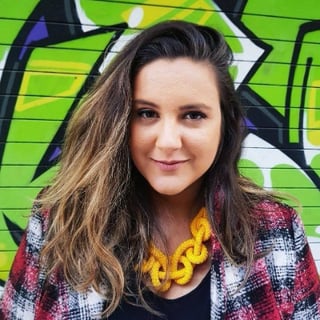
Patricia Feitosa is a Community Manager and communications leader with 15+ years of experience across tech, fashion, government, and other industries. She leads the Power of MACH Community at the MACH Alliance, a global network of 1,000+ enterprise technology leaders. Patricia focuses on turning complex ecosystems into communities that feel useful, human, and worth coming back to. Previously, she led support and engagement initiatives at Shopify, working on international programs and customer education.
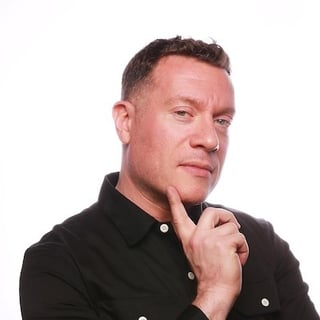
Josh Zerkel is Head of Marketing & Community-Led Growth at Gradual. A recognized leader in community strategy, he has built and scaled programs at Asana, Evernote, HeyGen, and CBS News that have driven millions in pipeline, global engagement, and cross-functional impact. He’s the author of The Community Code, and a trusted advisor to startups and enterprise teams building community-powered growth engines.
SUMMARY
In this session, Patricia Feitosa shares how she guided the Power of MACH Community through a move from a fragmented setup across Slack and Hivebrite into a single, unified space. With a global audience of senior, time-constrained leaders, the focus stayed on clarity, communication, and thoughtful change management. Patricia walks through the principles that shaped her approach, the early decisions that helped preserve existing value, and how she supported members as new participation habits began to form. She’ll share the tradeoffs she navigated and what she’s watching as engagement continues to take shape.
TRANSCRIPT
00:00:00:05 - 00:00:23:10 Joshua Zerkel Hello and welcome to context first with gradual and today's topic. Helping members build new habits during a migration. I'm Jeff Circle, head of marketing and community here at gradual. In case you're new to gradual, it is the engagement and community platform designed to generate context across go to market and turn connection into lasting and business impact. As we begin, please drop your questions in the Q&A.
00:00:23:10 - 00:00:46:22 Joshua Zerkel We'll get to as many as we can live, and if you have more, we'll continue the conversation with our guest after the event in the forum AMA. And now I'd like to introduce you to our guest speaker, Patricia Matassa. Patricia is a community manager and communications leader with over 15 years of experience across tech, fashion, government and other industries.
00:00:46:24 - 00:01:10:25 Joshua Zerkel She leads the Power of Math community at the Mark Alliance, a global network of over 1000 enterprise technology leaders. Patricia focuses on turning complex ecosystems into communities that feel useful, human, and worth coming back to. Previously, she led support and engagement initiatives at Shopify, working on international programs and customer education. Welcome, Patricia.
00:01:10:28 - 00:01:15:20 Patricia Feitosa So much for having me, George. Hello, everyone. So excited.
00:01:15:22 - 00:01:23:03 Joshua Zerkel Glad to see you. So I understand you have some slides that you'd like to go through and then we'll have a conversation after.
00:01:23:05 - 00:01:28:07 Patricia Feitosa Yes, yes, let's do it. So, let me quickly share my screen here.
00:01:28:10 - 00:01:33:03 Joshua Zerkel Got it.
00:01:33:05 - 00:02:02:05 Patricia Feitosa Okay. So. Hi everyone. Thank you so much for being here. Today I'm going to talk about community migration, not the technical side of switching platforms. Now we're approaching the human side of it. Habits trust and helping people understand where to show up next. So this is the story of how we approach that transition and build the power of Mac community.
00:02:02:08 - 00:02:27:08 Patricia Feitosa A bit of context on who we are. The Mac Alliance is a global industry body setting standards for open, composable and connected enterprise technology. We equip leaders, software vendors, and system integrators with certifications, research, and the peer guidance to build future proof, easily adaptable architectures. We also help enterprise buyers with the tools they need to make informed business decisions.
00:02:27:10 - 00:02:51:03 Patricia Feitosa Our community is evolving pretty fast and we are shaping open standards, advancing AI ready architectures, and building what modern technology should look like. So let's dive into the power of my community. The power of my community is one of the MEC Alliance's core platforms. And we have a very unique ecosystem. We a private gated community.
00:02:51:06 - 00:03:15:28 Patricia Feitosa So people need to register to join and it is not open to everyone to get in. You need to be either part of a mech Alliance certified vendor or an end user company, which are enterprise brands that buy it and use these technologies. The community is still very new. We are about a year in since our first onboarding wave in April 2025.
00:03:16:01 - 00:03:47:06 Patricia Feitosa And today we have around 1500 tech leaders. About 36% are in technical roles like engineers and architects, and around 20% are in partnerships, sales and marketing. It's also a very senior audience, around 40%. Our director level or above. But we also, have protections and individual contributors, which allows us to host both business and technical conversations.
00:03:47:08 - 00:04:17:16 Patricia Feitosa Now let's talk about what we came here for. Migration, and specifically how we worked to build habits and trust with a senior time constrained audience. It is important to say that we did not start from zero. We started from a fragmented ecosystem. So. We had almost 3000 users in slack, but only 15% of those had activated accounts.
00:04:17:19 - 00:04:39:28 Patricia Feitosa And then on Hive Brite, which was the platform, that we use for community, we had over a thousand users, but the monthly user rate was as low as 60 members. So we did have many users, but participation had dial down. Slack was mostly used for DMing and announcements from the team. Not a lot of peer interaction happening there.
00:04:40:01 - 00:05:09:00 Patricia Feitosa And content and some rare communications. Lived in a hive for events happened on Zoom and Google Meet. So. And on top of that we had other channels and touchpoints like the website, LinkedIn or Google Calendar email. So the problem was not that nothing existed. The problem was that value existed across too many places, which was just solving the potential and confusing users.
00:05:09:02 - 00:05:40:00 Patricia Feitosa So before moving, we had to understand the behavior already in place. So I interviewed my colleagues of the central team about what they knew about our members. I met with key stakeholders. So for example, we had a community council, which was essentially some of our certified vendors that were there exclusively to inform decisions regarding the community. So I mapped the channels people used most, the features they relied on, what they felt was lacking and what they valued most.
00:05:40:02 - 00:06:10:29 Patricia Feitosa That gave us a much more grounded understanding of what we needed to carry over while we needed to improve, and etc.. So based on that, we developed a member value document with the findings plus an action plan. One of the biggest mindset shifts for me with this community was this to not lead with the platform leads with value.
00:06:11:01 - 00:06:42:05 Patricia Feitosa So we were very intentional on how we framed the change. We didn't position it as we are replacing everything. We focused on what's in it for them. Showing continuity, not disruption. Fixing, what was already causing friction. So, a concrete example for you. One of the most important things for our members is having easy access to the ecosystem for networking and partnership opportunities, which was something that was not easy to do.
00:06:42:11 - 00:07:12:09 Patricia Feitosa Like, they couldn't find each other. They couldn't know exactly where, people worked at. So gradual, on the other hand, offers a searchable directory with filters. So across our member communications, we highlighted people would be able to research peers by location, by seniority, by markets they oversee, and many other relevant info for networking and building partnerships.
00:07:12:11 - 00:07:36:09 Patricia Feitosa To drive adoption. We focused on clarity and familiarity, so we created manuals and guides, including several how how tos in video and text, and we distributed those across our channels to show content continuity. We highlighted the equivalence of each channel in the new platform. So what you do in slack, you can do it like this. And in your community.
00:07:36:16 - 00:08:00:07 Patricia Feitosa This is the equivalent. What's not working here will be solved by so-and-so section in the new platform. And I made sure that the message that we were communicated communicating matched the channel that we were on. So, for example, when communicating in slack, we focused on which slack channels would become which forum boards or how to DM people on hybrid because contents leave that there.
00:08:00:07 - 00:08:20:28 Patricia Feitosa We focused on where to find the new content in the new space, but we also needed a hook to accelerate adoption and to ensure people would show up and keep coming back. Right. And here I reinforce that it is very important to study your audience's behavior, because if you decide to change to something they're used to doing. You can increase adoption.
00:08:21:00 - 00:08:45:11 Patricia Feitosa So we tied the launch to our flagship conference, which used to happen once a year, now happening twice a year. And was a highly anticipated event. Why? Because they already expect to download and learn a new platform for events. This is an audience that regularly attends trade shows and conferences and in events, and they have to download the conference app for that.
00:08:45:13 - 00:09:11:05 Patricia Feitosa And make the event app types. Sorry. So it made sense, to meet them where they're at and make the events app tied to our community, which as you may know, is an amazing feature, gradually offers, an event app tied to the community that you have. So essentially, everyone attending the conference gained early access to the community, and became part of the first wave of trailblazers and testers.
00:09:11:07 - 00:09:33:25 Patricia Feitosa Very important, framing that we use there, to help so that they would feel like they would help us shape the community. They get access to exclusive content, pre and post events, and the opportunity to use, for example, the matchmaking to assist. As I mentioned, that working is the most important things for them.
00:09:33:27 - 00:10:04:00 Patricia Feitosa But the migration doesn't end at launch. That's when it actually starts. That's when you start adapting to people's behaviors. The resistant was not dramatic. But it was very real. A lot of it came down to habit inertia. So people already knew slack. They had routines even though engagement was low. And even though this is a tech audience, their time constraints make them a bit resistant to change.
00:10:04:02 - 00:10:27:02 Patricia Feitosa We also realized our members need constant reminders. They are senior. They are busy and juggling a lot. So if the community is not clearly in front of them, it drops on the priority list very quickly. That meant simplification mattered. The fewer steps, the fewer decisions people have to make. The better. So what do we focus on to help build habits?
00:10:27:02 - 00:10:48:11 Patricia Feitosa First, clear entry points. We made sure people could easily understand where to go and why. So we linked the community to the touch points they were used to be to seeing every day. So our website, LinkedIn, before we sunset slack, we had a steady cadence of reminders. We did a what's happening in the power of my community every week for a few weeks.
00:10:48:17 - 00:11:14:24 Patricia Feitosa And then this session got migrated into our newsletter. Second, fewer decisions. The more users have to figure out on their own, the more likely they are to disengage. So we make it very clear. For example, very early on we detected they didn't know what forums meant. So we switched the name of the session from forums to discussions. Another example during events we say this event is for this audience.
00:11:14:24 - 00:11:46:16 Patricia Feitosa It is not for this audience. It happens every month. Here's the direct link to access it and so on and so forth. Another point that's very important is internal cheerleading. And it is usually, underrated. The internal team and other company departments outside of marketing and community need to be well briefed and have manuals and short pitches so they can reinforce the same message you're sending when they are having conversation with their clients.
00:11:46:19 - 00:12:09:29 Patricia Feitosa Visible activity. People are much likely to engage if the space already feels active and useful. So we are constantly filling this space with content forum posts. We highlighted the forum section at the top of our home page to show it's a live, active space, and we do constant direct outreach to remind people that there's something interesting happening that they should check it out.
00:12:10:01 - 00:12:33:13 Patricia Feitosa And there's a lot of you don't work, I'm sure you know. Repeating the same message. Supporting users, manually aligning internally, cleaning directories, collecting feedback and adjusting constantly. So one thing to keep in mind is that a migration is not a one time launch. It is an ongoing behavior change process.
00:12:33:15 - 00:12:55:11 Patricia Feitosa Trade offs? Yeah. We had to compromise. We started big because we had a large user base, but engagement and subsequent growth would be slower, especially considering this is a gated community. So not everyone would come along immediately and not everyone should. In general, people tend to rely and focus on that usual engagement patterns number of comments, number of likes.
00:12:55:11 - 00:13:26:27 Patricia Feitosa But we realized that for some of this audience, silent engagement is still meaningful engagement. So for example, partnerships, people, they are accessing the platform every day, but they're researching, they're DME users and even starting deals. What they are not doing is visibly posting in the forums, and that's okay. Now some of our wins, the audience became more diverse, especially with stronger buyer participation, which was close to zero in legacy spaces.
00:13:27:00 - 00:13:54:14 Patricia Feitosa We created better conditions for fewer problem solving product showcases and conversations that could lead to partnerships and overall engagement. Quality became much stronger than in legacy spaces where a community of business leaders, and we really value the time that they can spend with us. So if I had to summarize this into a few takeaways, it would be these did not start with the platform.
00:13:54:17 - 00:14:20:22 Patricia Feitosa Study. Your audience needs first. Protect continuity. Reduce friction wherever you can. Repeat the value more than you think you need to. And most importantly, design for habits, not features. If you get the behavior right, the platform follows. That is it for me. Thank you. I hope you liked it.
00:14:20:25 - 00:14:41:11 Joshua Zerkel That was great. Thank you so much. So much to unpack there. I'm wondering you you had quite a journey transitioning people from one platform to another. Were there any things that surprised you along the way, either with how members responded or how the transition works that you weren't expecting?
00:14:41:13 - 00:15:08:28 Patricia Feitosa We kept it a lot, but I think one of the things that surprised me the most is that I didn't know that a senior audience needed that much hand-holding. And it is not because they cannot follow. It's because they don't have the time to. So if you're not constantly reminding them and making it easy, you drop on their priority list, they don't have the time for it.
00:15:09:00 - 00:15:33:28 Patricia Feitosa So before I was saying, well, these are very, very intelligent people we're talking about here. I mean, I don't want to be a burden. I don't want to, you know, be bugging them about it. And then it wasn't happening. And I said, hey, maybe it's the other way around. Maybe because they're C-suite, that's when you need to actually handhold them and show them the way and make it as easy as you can.
00:15:34:01 - 00:15:39:08 Patricia Feitosa And this is something that really, really surprised me. I didn't know before.
00:15:39:10 - 00:16:06:20 Joshua Zerkel That makes perfect sense, because I think for those of us that that develop marketing programs and community programs, it's super important to us. Of course, we think everyone has it on their priority list, but the reality is those people also have jobs and they have things that are on their own priority list. So the fact that we are developing a new program or transitioning systems, I think we underestimate how much time it will take to walk people through that process and how much help that they need.
00:16:06:22 - 00:16:09:25 Joshua Zerkel So I'm glad you brought that out.
00:16:09:28 - 00:16:29:09 Patricia Feitosa Game for sure. This is something that you will you will need to be patient to see the value starting to kick in. And then people start, you know, behavior. Think about yourself. How long does it take for you to change your behaviors on something? So when you are doing it with people you know, be mindful of that. This is top of mind for you.
00:16:29:10 - 00:16:48:11 Patricia Feitosa This is your whole job, your entire world when you're migrating or creating a community. But people have other stuff to do. You know. So it is this is why I wanted really to focus on behavior. We need you need to know, you know, where they're coming from. What you're doing would be very mindful of the environment as well.
00:16:48:12 - 00:17:10:27 Patricia Feitosa This is something that changed for me and for us. These are people that are attending Tradeshows events. So before I schedule anything, I actually go to my partnerships first and I say, hey, are there any trade shows happening during this time like we are now? We have like a whole calendar, a schedule of, you know, trade shows and events going on.
00:17:10:28 - 00:17:13:25 Patricia Feitosa So we are so we know how to work around that.
00:17:13:28 - 00:17:41:22 Joshua Zerkel That I would know in that context, gives you all the information you need about like, we should should definitely not do something at this date or this year because we know our people will be busy. They won't have time to focus. So that's really one of the things that stood out to me is I also, in the past, life had the fragmented community experience where I was leading a program, but we had literally a dozen different surfaces that people would have to touch in order to have that experience.
00:17:41:25 - 00:17:52:12 Joshua Zerkel What was the the initial prompting that led you to move from this more fragmented, multi multi-platform experience into something that was more unified? What drove that initially?
00:17:52:14 - 00:18:30:07 Patricia Feitosa This isn't it's it was really a lack of engagement and a little bit of confusion on the user side. So we were getting feedback about, well, I'd like I want to post about this, I want to talk about this, but I don't know where to go. I don't know where to post. Can I post here? And if you see our history in slack, there's a lot of messages like, I don't know if this is the right channel for it or even if I can post it here, but so and we really wanted to offer them, you know, a top of mind place to go whenever they needed to solve a problem, whenever
00:18:30:07 - 00:18:47:03 Patricia Feitosa they need to talk to their peers, or whenever they needed to research who they want to talk to, who they want to have been in partnerships with. So it was really about making it easier for them. Again, time constrains audience. This is this. It has to be simple. It has to be everything in one place.
00:18:47:05 - 00:18:59:08 Joshua Zerkel Yeah, that makes perfect sense. The simpler you can make it for people to have the experience, the more likely they are to do the experience. Having people spread amongst many different channels, it just makes it harder for them to remember even where to go.
00:18:59:10 - 00:19:00:08 Patricia Feitosa And yeah.
00:19:00:10 - 00:19:10:21 Joshua Zerkel Things makes things better for us as the people leading these programs and way easier for our members because they don't have to remember how to do the community thing. They just go to the community to have the experience that they want.
00:19:10:24 - 00:19:38:03 Patricia Feitosa For sure. And specifically about this audience, we are talking about people building projects that are going to change the history of technology and where technology is going. So. Patricia, why wouldn't you have that on LinkedIn? It's public. Anyone can see. Anyone can chime in. If we control that, we have a controlled environment where people can feel safe and free to discuss their problems, to really, you know, forward what they're doing and improve what they're doing.
00:19:38:05 - 00:20:06:23 Patricia Feitosa And they know that whoever is looking at it, if someone in the same space and with the same problems and with the same, KPIs as them, this changes everything. So that's also why we chose to go with a gated private community. Everything in one place, everything is clear, a clear moderation on our side and everything to ensure that people feel safe, especially, and and easy to to follow.
00:20:06:26 - 00:20:27:16 Joshua Zerkel Yeah, I'm so glad you brought that up because we actually, in a prior webinar in this series, we touched on the importance of making sure that members feel psychologically safe when they're in a community because if they don't have their safety, if they don't feel that trust, then they're not going to contribute in ways that feel truly personal and meaningful and that actually get them closer to the goal that they came to the community for.
00:20:27:17 - 00:20:34:01 Joshua Zerkel So the fact that we built that in is super, super important. So I'm so glad to hear that.
00:20:34:03 - 00:20:59:05 Patricia Feitosa Yeah, it was it was something that was top of mind for us. And also because we work with members within our membership, this is also, you know, one more perk, one more value point that we can offer them. Right? Like, so this this is this is us offering more and more value of their membership. Right? So they can grow together, they can network, they can access the ecosystem easily, create a create.
00:20:59:05 - 00:21:06:05 Patricia Feitosa Together, we give them the opportunity to create events if they want to, to start new projects and and so on and so forth.
00:21:06:08 - 00:21:32:06 Joshua Zerkel That's great. I want to remind everyone who's here with this live Lauren, Rebecca, Anjali, that if you have a question, feel free to drop it in the chat. One thing I wanted to ask you, because the nature of your community is a little bit unusual in that it's targeting a C-suite. What do you think is different or special about running a program that's specifically designed for C-suite members, and specifically for the migration of moving them from one platform to another?
00:21:32:06 - 00:21:38:25 Joshua Zerkel That might be different, distinct from a more customer focused community, for instance.
00:21:38:27 - 00:22:01:16 Patricia Feitosa It is very different. And I feel like we although we have 40% of our community being director and above, we also have a lot of technical, individual contributors. So it's I usually joke that it's a barbell of a community because you have the two extremes. So we need to be very mindful that we're talking business.
00:22:01:16 - 00:22:26:14 Patricia Feitosa We're talking, you know, business value right up the gates for the C-suite, for the executive. But we also running technical programs for, you know, the individual contributors for the breadstick runners. Before when I was at Shopify, it was very customer centric. So it was it was all about education. And this one is all about creation and business value.
00:22:26:16 - 00:22:53:23 Patricia Feitosa So what what what are we offering them that will make them get out of their busy schedules and show up? Right? What is the value that we're bringing in? And I might not have all the answers and I usually don't. That's why we work with, a lot of subject matter experts that can guide us to, you know, really, really show us which programs we should be doing that we're really informing us.
00:22:53:25 - 00:23:19:03 Patricia Feitosa There used to be, as I mentioned, a community council, which was essentially C-suite, director level members that would literally inform me on what to do. I would ask them, what are you doing right now? What do you think our audience needs? What is lacking? And we would give the programs around that. Five. So, in December, we had we hosted a community workshop.
00:23:19:05 - 00:23:47:17 Patricia Feitosa So we invited a few of the key members and the key stakeholders and things just literally saved them, gave us what they're thinking about the community. What the what is lacking, where the community should go. So, keeping your eyes and your ears fields for feedback. Being open to it. So adapting and always thinking about the value that you're offering for people.
00:23:47:17 - 00:23:58:04 Patricia Feitosa If it's not value for them, not for you as a community manager, not for you as a as a business for them. This is what makes the difference with this type of audience.
00:23:58:06 - 00:24:17:08 Joshua Zerkel Yeah. What's interesting in that is I think showcasing the value to members is always where you need to start. And one of the things that you did during your migration that you talked about was you really made sure to have a smooth transition of respecting the the types of content, even though the place that they were going to live was going to change.
00:24:17:11 - 00:24:36:16 Joshua Zerkel You respected what was buried and say, we're throwing this out, we're just moving it to a new spot. How do you approach that process of migrating in a way that really leaned into what was already really good and working in terms of the content, the conversations, etc.? Without throwing that out along the way? What transition?
00:24:36:18 - 00:24:59:21 Patricia Feitosa We were very patient with it. So when people think migration, they feel like it's like there's a cut and everything changes. It was not like that. We did it in phases. We communicated to different channels and respecting what each channel meant. So as I mentioned, if we were talking about slack, I would give them the alternative from slack to the other platform.
00:24:59:27 - 00:25:28:27 Patricia Feitosa And then we started in April and I think we missing the day, but we sunset slack months later. So we were really phasing out. One thing that really helped us is that we our first onboarding wave because we had many onboarding waves, right. We planned for that. Our first onboarding wave were people attending our conference so we could really focus on, you know, giving them the tools they needed to attend the conference.
00:25:28:27 - 00:26:04:04 Patricia Feitosa And that's all we needed to focus on after the conference. Oh, now we're going to onboard brands back, and then we can switch our communications and switch directions to those people. So again, it phased out. It wasn't like abrupt. This is not working. This is what know this works here. But now it's going to leave here. And then you know phasing that out and thinking of waves and focusing on what that wave meant, what they needed at the time for that audience.
00:26:04:07 - 00:26:19:04 Joshua Zerkel That makes sense. As you were transitioning people from one platform to another and moving each of these even in it. Were there any points of resistance from your members along the way and what happened? How did you handle it?
00:26:19:07 - 00:26:45:24 Patricia Feitosa It's always resistance, right? Like this is change management. Literally, you think the tech people would be, like, willing and very eager to learn a new platform? But it's funny because they're not like they're still busy learning new stuff every day that they when there's a new platform, they're like, okay, a new platform. So we heard we literally had to use slack.
00:26:45:27 - 00:27:09:04 Patricia Feitosa Why we why are we going to use this? And we were like, well, but you are not using slack. That's the thing. We're getting constant and constant feedback that slack is hard for networking, that you don't know who those people are, where they work. So look at this. This is our, you know, searchable directory. You will be able to even see what markets those people oversee.
00:27:09:06 - 00:27:31:08 Patricia Feitosa Look how great for business this is going to be. And then they were like, oh, okay. Yeah that is actually better. And the questions that we usually ask, how are you using the platform that you don't want to let go of? When was the last time you posted on slack? I what is what do you think? It's not going to be easy for you on the new platform.
00:27:31:10 - 00:27:55:15 Patricia Feitosa And then when it makes sense, that's when I go to graduate. I'm like, hey guys, do you think we can have this feature? And I am always bugging you guys with this because, you know, it takes one user to change your whole vision of your platform, right? Something that you have never, never thought about. So we also keep, you know, our hearts open for feedback and change.
00:27:55:17 - 00:28:14:07 Joshua Zerkel Yeah, we all need to be listening for feedback all the time. It's the nature of the work is really close to the people, and we need to listen to what the people say. And as we're unveiling new programs, new ways for them to engage, we need to hear for them and what's working and what isn't helps us shape our programs to be more effective.
00:28:14:10 - 00:28:20:14 Patricia Feitosa And so if it's a CEO, you bet. I am listening to what this person is saying.
00:28:20:16 - 00:28:44:22 Joshua Zerkel Oh yeah. I mean, the the weight of these people's voices can't be underestimated in the context of your own community. And so just listening versus is critical. Absolutely. Yeah. So as you are continuing to build out your program, what are you focusing on to encourage people to build new habits within the program without forcing them to? Because you can't force people to do anything.
00:28:44:29 - 00:28:47:26 Joshua Zerkel How are you encouraging them instead?
00:28:47:29 - 00:29:16:02 Patricia Feitosa So the I think the main thing was we are adapting as we go, right? So we're always checking back to see what they value. We did not start this community with a super focus on events. We were focusing on the forum discussions and then we saw that events was what most mattered to them, because they are all about networking initiatives and, you know, being in a room with people who could be in Asia, you know, across the continent.
00:29:16:02 - 00:29:38:10 Patricia Feitosa So we're offering them the space to do so. So it's really what's what are they interested in? If you study what they're already doing or what they're not doing because they don't have the platform to do so, that is what will help us build, you know, change their behavior and build engagement and have them come in and keep coming back.
00:29:38:12 - 00:29:57:23 Patricia Feitosa And also consistency. Consistency is very important. So we're always like we don't we have one offs for events, but we usually create series because they know that once a once a month they can come back to that. They have a reason, you know, for keep coming back to our events, to keep coming back to to our programs.
00:29:57:25 - 00:30:09:00 Joshua Zerkel We're building that muscle with them of here's what I can look forward to, here's what's expected, and peppering in things that are new and unexpected for them to keep them interested. It sounds like you've struck a reality. That's.
00:30:09:02 - 00:30:32:11 Patricia Feitosa Yeah, I like as I said, we're adapting as we go, but we are very, very, happy with the results. The difference from what it was with our fragmented community to now is abysmal. We are really seeing, a lot of engagement and quality engagement and, and re assessing what engagement is, which is also very, very important.
00:30:32:12 - 00:30:50:13 Patricia Feitosa Right. We have our KPIs or number of likes or number of comments and then now we see that, hey, these people are like at any given time of the day I enter and there's 20 people online, but not necessarily a forum post is being posted. What are they doing? Their research and their DM? I mean, they're talking to each other.
00:30:50:20 - 00:31:00:05 Patricia Feitosa You know, they're reading my content. So, they're they're at an event so that that's, that's also very important to to keep in mind.
00:31:00:08 - 00:31:12:08 Joshua Zerkel That's great. Well, in our last couple of moments, any advice you would give to someone who is thinking about transitioning or migrating their platform or their program and helping their members along the way?
00:31:12:10 - 00:31:45:05 Patricia Feitosa Yes. What this what this webinar was about behavior. Who are you talking to? Who is your audience? What are their needs? First, study what they need before deciding if you're going with a platform. If you're changing, even if you're changing, is your migration. What are they lacking? Right. So really make informed decisions. And the way you do that is listening to back, listening to people studying their behavior.
00:31:45:08 - 00:31:50:13 Patricia Feitosa And then you'll make decisions. I think that's my go to, advice.
00:31:50:15 - 00:31:59:13 Joshua Zerkel Listening is always good advice. So yeah. Which are thank you for this wonderful chat today. Where would you like people to find you online?
00:31:59:15 - 00:32:05:22 Patricia Feitosa How you can find me on LinkedIn. Patricia fait salsa. Yeah. That's it.
00:32:05:24 - 00:32:26:23 Joshua Zerkel Okay, great. Well, yeah. If you have any questions for Patricia, please connect with her on LinkedIn. And we also have a forum, AMA, where you can ask any questions that you'd like to for Patricia about this topic. So with that I'd like to say obrigado, Patricia. Thank you for being here. And, all of you, thank you for joining.
00:32:26:23 - 00:32:37:09 Joshua Zerkel And for those of you watching, thank you for watching the recording. I invite you to join future events. You can find them all in the gradual community. And with that, thank you and see you next time.
