
Gradual Community
Ask
Sign in or Join the community to continue

Event Replay: Context First: Making Community Impossible to Ignore: From Established Program to Strategic Function with Michelle Baltrusitis

Posted May 13, 2026 | Views 7
# Community
# Format: Event Recaps
Share

Speakers

user's Avatar
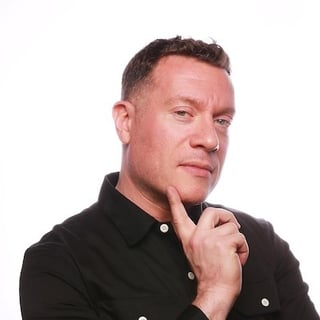
Michelle Baltrusitis
Head of Community & Social Impact @ Fiverr

Michelle Baltrusitis is the Head of Community and Social Impact at Fiverr, where she leads the platform's community strategy for freelancers. Her background in management consulting shapes how she thinks about community as a strategic function, not just a program.
+ Read More
user's Avatar
Joshua Zerkel
Head of Marketing & Community @ Gradual

Josh Zerkel is Head of Marketing & Community-Led Growth at Gradual. A recognized leader in community strategy, he has built and scaled programs at Asana, Evernote, HeyGen, and CBS News that have driven millions in pipeline, global engagement, and cross-functional impact. He’s the author of The Community Code, and a trusted advisor to startups and enterprise teams building community-powered growth engines.

+ Read More

SUMMARY

We explore what it takes to make community impossible to ignore across the business — and is especially for community leaders who know they're sitting on something valuable and are still figuring out how to make the rest of the business see it.

+ Read More

TRANSCRIPT

00:00:00:18 - 00:00:25:22 Joshua Zerkel Hello everyone, and welcome to Context First with gradual and today's topic making community impossible to ignore from established program to strategic function. I'm Josh circle, head of Marketing and Community here at gradual. In case you're new to gradual, it is the all in one engagement and community platform to turn connection into lasting business impact and grow engagement beyond your product.

00:00:25:24 - 00:00:48:03 Joshua Zerkel Before I introduce our guest expert, just a quick note. Please drop your questions in the Q&A and we'll get to as many as we can. After the session ends, you'll still be able to ask questions and share your thoughts in the forum AMA, which you can also find in the gradual community. And now, without further ado, I would like to introduce our guest.

00:00:48:05 - 00:01:07:25 Joshua Zerkel Michelle Baltrusitis is the head of Community and Social Impact at Fiverr, where she leads the platform's community strategy for freelancers. Her background in management consulting shapes how she thinks about community as a strategic function, not just a program. Welcome, Michelle.

00:01:07:27 - 00:01:09:21 Michelle Baltrusitis Thank you so much for having me.

00:01:09:24 - 00:01:26:15 Joshua Zerkel Yeah, super excited to chat with you. So let's go in the Wayback Machine and start at the beginning. You came into a really well established community structure at Fiverr. How did you assess what was there and decided what needed to change?

00:01:26:17 - 00:01:56:05 Michelle Baltrusitis Yeah, so I came into community at Fiverr by way of social impact, actually. So I was the company's first dedicated social impact hire. And even within that, I always sat within the community team. So from the beginning, I kind of understood the culture and what the team was working on, even when I was focused on something else. And I think my conversations with social impact professionals and just being in that space, made me realize to build something in social impact.

00:01:56:05 - 00:02:18:09 Michelle Baltrusitis And this translates to community as well, something that lasts. I think I realized pretty quickly that you have to frame everything in terms of what it does for the business. So that's kind of the lens I carried when approaching community in my transition. Wasn't all at once. I kind of stepped into leading the community team gradually.

00:02:18:11 - 00:02:50:03 Michelle Baltrusitis But what existed was a grassroots model. So freelancers were engaging with the brand. There was really good energy there. And for those who don't know, Fiverr is a two sided marketplace with freelancers and buyers or clients as buyers and clients are oftentimes small businesses. And the community team focuses specifically on the freelancing side. So I think when I as I was kind of making that transition and stepping in, it wasn't necessarily a formal audit or assessment that I did, but rather reading kind of where the business was heading.

00:02:50:03 - 00:03:11:19 Michelle Baltrusitis Understanding what existed in community at that time and then seeing how I could create most value in the direction of where that business was heading. So I think I paid attention in the beginning to what leadership was focus on what was working, what was not working. And through that process, I realized that the biggest opportunity was actually internal to start.

00:03:11:21 - 00:03:43:16 Michelle Baltrusitis So building champions inside the company who understood what community could do for the business. So I started with a roadshow, for example, and I went to a couple of different teams that I already had preexisting relationships and trust with for my social impact work. And just explained to them kind of what we were building. And I think that helped, you know, set me up for success as I started to lead the community team as a whole and, and the initiatives and the direction we were moving in.

00:03:43:18 - 00:04:06:03 Joshua Zerkel That road show concept is something we talk about a lot as community professionals of needing to do this roadshow amongst different teams to help them understand how our work intersects with theirs. Can you talk a little bit more about, like, what your roadshows look like, what landed really well, what you needed to adapt along the way to make sure that your stakeholder teams were really getting it and that you had the buy in that you needed to do your work.

00:04:06:05 - 00:04:31:16 Michelle Baltrusitis Yeah. So those red shows, we we had a deck where we were explaining our community strategy. And I think before even diving into the community strategy, orienting like our hypothesis around the community value 4 or 5 or specifically. So to my knowledge, there are three types of community value cost savings, future proofing and growth. And we believe that community for fiber kind of sits in that growth realm.

00:04:31:24 - 00:04:50:24 Michelle Baltrusitis And so it was starting at as kind of at that level of conversation saying this is where we believe community slots in to Fiverr. Does this make sense to you? And now here's what we're doing to action on that. And I think the key to success with the road shows is one I had mentioned, that kind of relationship or foundation of trust.

00:04:50:24 - 00:05:09:11 Michelle Baltrusitis So it wasn't kind of cold conversations that I was going into. I had relationships with the team directors and then maybe had them bring me into their teams weekly. It was kind of a, bespoke approach based on the team and the leader. And then it's really just about understanding it's not just you presenting your work.

00:05:09:11 - 00:05:38:06 Michelle Baltrusitis It's also about understanding what questions are coming up frequently. What questions do they have? Okay, that's going to improve my next roadshow with the next team. And also just listening, like when people ask questions, it's because it's something's important to them. And so understanding those team's goals and just getting a clear picture of how community can slot in differently to all these different teams, I think is, was how I approached the roadshow and some of those initial conversations.

00:05:38:08 - 00:05:59:00 Joshua Zerkel That makes sense. Each team is different and wants and needs different things and is concerned about their own goals. So tailoring your approach, creating what you said, bespoke approaches to working with them seems to be the best path. You mentioned in general as you were revisiting the community program, starting with business goals as the North Star for what you were building towards.

00:05:59:03 - 00:06:13:24 Joshua Zerkel What did that actually look like in practice when you were rebuilding the community program? How did you translate the things that Fiverr said our company priorities to something that you knew in the community you could meaningfully build towards and support?

00:06:13:26 - 00:06:37:21 Michelle Baltrusitis Yeah, I think there's a couple of examples that come to mind, but one of the big ones was trust. So at that time, trust was a huge priority for the business trust between Fiverr and its freelancers, trust between Fiverr and the small businesses that use Fiverr. And so I think we really started orienting how can we leverage our community foundation and community initiatives to to generate trust.

00:06:37:24 - 00:07:07:03 Michelle Baltrusitis And so externally we sit under the marketing team. So externally that looks like a lot of community centered brand activities. So we were highlighting stories from our top talent. We were putting freelancers on a time square. Billboard was a really fun thing that we did some of these more like community centered campaigns. And the Times Square billboard was a fun one because we actually used we leveraged our community rewards store structure to do that.

00:07:07:04 - 00:07:30:21 Michelle Baltrusitis So we had this existing community structure where members could earn points by engaging with the community so they would earn points attending a webinar or engaging with content or on the forum. And they could, redeem those points for rewards. And one of the rewards we made this as part of a bigger International Freelancer Day brand campaign that was going on.

00:07:30:23 - 00:07:52:06 Michelle Baltrusitis And we said one of the rewards for this day is going to be for zero points. You can claim the chance to be on a billboard, and it was effectively an application, but we were able to get creative and kind of leverage that existing community structure also as a way to push people into the community, as well and bring awareness to our platform community.

00:07:52:06 - 00:08:18:06 Michelle Baltrusitis Dot Fiverr.com. And so, yes, regarding trust, we were thinking of different ways to showcase the talent on our platform and leverage the community relationships and kind of infrastructure to do that. And then there was a big internal piece as well around trust, and I think that was more challenging and more important in a lot of ways. It was about surfacing where community lacked trust.

00:08:18:09 - 00:08:42:16 Michelle Baltrusitis With with the platform, bringing those insights to leadership, advocating for the community of in different decisions. And then tactically speaking, what that looks like. We have a freelancer advisory board that we run and we get insights from there. We have our forum, which is very rich with insights, around the product and other wise. And so I love that whole internal piece.

00:08:42:18 - 00:08:53:17 Michelle Baltrusitis Even though we said under marketing, we're working with product, quite closely, and I think that work is super interesting to kind of serve as that champion internally.

00:08:53:20 - 00:09:15:26 Joshua Zerkel Yeah, you and I have spoken previously about how there can often be a disconnect between what we see as customer facing parts of the team the community has to a marketing ex, etc. we work with customers in a very intimate way. We get to know them and what they need and the real words that they use, and we often have to translate that back to other teams internally.

00:09:15:26 - 00:09:25:01 Joshua Zerkel That aren't as customer facing. And sometimes there's that disconnect. And it sounds like you've found ways to bridge that with some of your internal programs and comms.

00:09:25:04 - 00:09:45:23 Michelle Baltrusitis Yeah. Something that's been helpful as well. So we started something called the Community Pulse. And that is every month we share out a report summarizing the forum activity and what are the pressing topics that the community is talking about. And we tag relevant stakeholders. But before sharing that out, we actually share that with another, customer facing team.

00:09:45:23 - 00:10:05:12 Michelle Baltrusitis Our CSM team. And we say, hey, are these things resonating with you or are you seeing similar things in your conversations with users? Is there any color you want to add to these forum insights? And so I think it's about, you know, getting creative and getting other teams to kind of carry the same torch that you are.

00:10:05:13 - 00:10:08:00 Michelle Baltrusitis I think that's been helpful.

00:10:08:03 - 00:10:28:05 Joshua Zerkel Yeah. One of the things that you mentioned to me is that you don't pilot anything without having a partner team, which I think is really interesting. Can you talk about how that changes the way your initiatives get shaped compared to, like, how I think many of us in the community have done it, which is like we want to do this as a community team or it's community led if we're going to do this.

00:10:28:07 - 00:10:37:14 Joshua Zerkel The partnership approach is really interesting, especially in the context of you revisiting and rebuilding diverse community programs. A little bit about that.

00:10:37:16 - 00:11:03:04 Michelle Baltrusitis Yeah. I would caveat that, the goal is to not pilot anything without without the partners. We're not fully there yet. But I think I learned pretty early on in my experience that community built in isolation is a little bit easier to brush off. So when no one else has kind of skin in the game and there's not a shared metric, those are kind of the programs that are looked at in my experience, with with the most scrutiny.

00:11:03:07 - 00:11:31:03 Michelle Baltrusitis So I think I can walk through an example of kind of one of our initiatives and the approach we took and maybe how that might look different. So I think we had a community education webinar for a freelancer is called Shift Happens. And the goal was it was four episodes, and the goal was to bring in community members, bring in industry experts, tool experts to talk about AI, and how freelancers could stay ahead of the curve.

00:11:31:03 - 00:12:00:09 Michelle Baltrusitis It's a changing landscape. We're all experiencing this. And we wanted Fiverr to be there for our freelancers to help them stay ahead of that curve. Curve, and not get left behind. So we started there. I think we immediately went to our verticals team from day one, which is the people who own specific skill categories in the marketplace, and they were actually the ones who drove topic selection and helped us build out the run of show.

00:12:00:09 - 00:12:23:21 Michelle Baltrusitis So conversations with them were based around, you know, what is the business focused on in this moment? What are the goals around talent? So for example, our first episode was Vibe coding because we were, potentially looking into some partnerships with vibe coding tools. So we wanted our sellers or freelancers to be ready for that partnership and understand what vibe coding was.

00:12:23:21 - 00:12:48:09 Michelle Baltrusitis And I think with that specifically, we were actually trying to see if this series could change freelancer behavior. So we sent out a survey after this first episode and Vibe Vibe coding and said, would you consider change? I forget the exact wording, but would you consider changing your project or service, or opening a new project or service that's related to something that you learned today?

00:12:48:11 - 00:13:11:11 Michelle Baltrusitis And it was interesting because 82% of attendees actually said yes, which was exactly the type of behavior that we wanted to see. So I think that's an example of how from the beginning, we had kind of a concept, what we formed that concept with another team. The vertical managers were actually the hosts of the webinar, so they were also helping to spread the word internally on their own.

00:13:11:11 - 00:13:43:02 Michelle Baltrusitis LinkedIn's. And then even after the webinar series ended, we always talk about how do we extend the life of events. And I always challenge my team to think about that and think of creative ways to do that, both in-person events and virtual events. With this particular series, we actually wound up working with the SEO team to leverage all of the insights from the webinar and create it into a, an AI hub for freelancers, one that was SEO optimized and could help support some of their goals as well.

00:13:43:09 - 00:13:58:11 Michelle Baltrusitis So that's kind of just an example of that approach. We knew we wanted to create a community education webinar. We wanted to loop our community in there, have them as speakers, but that's how kind of we approached it in terms of bringing another other teams into that.

00:13:58:13 - 00:14:21:05 Joshua Zerkel Yeah. I think what's really interesting about the approach that you've taken is really this notion of community is not an island unto itself, it's part of the business. And bringing the different parts of your business together, whether they're stakeholders or strategic partners internally, not just to know about the community, but to be involved in actually the programmatic work.

00:14:21:08 - 00:14:47:05 Joshua Zerkel That's pretty unusual, at least in my experience. Because oftentimes these things are have by function. You have your function. Never the two shall meet or very, very frequently, your background, I think, in consulting really shows up in how you approach this, because building that level of alignment is highly unusual. How have you leveraged that to really help position a community as a truly strategic function within Fiverr?

00:14:47:07 - 00:15:11:28 Michelle Baltrusitis Yeah, I think in management consulting, which is what I was, and you are used to not walking into a room with answers. You walk in with questions. So you're doing the stakeholder interviews, the competitive benchmarking, your pressure, testing assumptions. You're kind of building that full picture before you have the recommendation or the answer. And I think that very much so translates into how I approached the community discipline when I was stepping into it.

00:15:11:28 - 00:15:36:03 Michelle Baltrusitis And I think I'm always thinking about when I walk into a room, what do they care about? What's the context they're missing? What context am I maybe missing and how to tailor kind of that message? And I think if I had to pull like one snippet from my time as a consultant and that's helped me succeed in this role, is understanding that not everyone, has the same starting point.

00:15:36:06 - 00:15:59:21 Michelle Baltrusitis And so understanding what is their starting point first, and then how do you close the gap between you two? And I think there is, you know, there's an executive presence piece as well. A consultant teaches you how to read a room really fast. You know, when you've lost someone, you know, what they're grabbing on to. And so I think that's helped me, you know, how to structure an argument with leadership and some of those kind of skills.

00:15:59:21 - 00:16:06:20 Michelle Baltrusitis And I think it's it's made a difference in how community has been received in my work.

00:16:06:22 - 00:16:20:27 Joshua Zerkel That makes a lot of sense. You having the ability to go in with curiosity, get to the underpinnings of what people are motivated by that can only help you build those relationships, which then helps you build the program that you want to build.

00:16:21:00 - 00:16:48:13 Michelle Baltrusitis I also yeah, I also want to add like one of my favorite parts has been, I talked a little bit earlier about internal champions. My definition of success of an internal champion is someone who will speak up for the community you're building for, in rooms that you're not in. So I've heard anecdotally, someone say, hey, they were talking about this and I brought up the community POV and and that's when I know I've kind of done my job because obviously I'm never going to be in every room.

00:16:48:16 - 00:16:59:02 Michelle Baltrusitis But especially when we're talking about, like, that internal advocacy piece, that's been really exciting to see internal champions like show up for, for the discipline in that way.

00:16:59:04 - 00:17:04:03 Joshua Zerkel That's the best feeling of all is when you have the behind and people start advocating on your behalf. Internal.

00:17:04:03 - 00:17:05:03 Michelle Baltrusitis Well, exactly.

00:17:05:09 - 00:17:35:15 Joshua Zerkel I want to remind everyone who's with us. Michelle, Sarah, Ella, Marissa. Hello friends. We see you here. And if you have questions for Michelle, feel free to drop them into the Q&A. We have some time to answer them. So we talked about, you know, getting the advocates to talk about community on your behalf that often in, in what I've seen happens after the business really starts to see community differently as something that's truly important to the business for you.

00:17:35:16 - 00:17:46:12 Joshua Zerkel Was there a specific shift or a signal or a moment where you really felt that change starting to happen at five, or especially as you were revisiting the community program and rebuilding it?

00:17:46:15 - 00:18:13:21 Michelle Baltrusitis Yeah, I think it happened slowly. And there's two examples that come to mind. One is in relation to kind of the product insights that we were sharing in the feedback. And I think it's very hard to fully close the loop on that. But there was a moment at the end of last year where we had piloted kind of a new product experience with 10% of our community, and that 10% was actually heavily influenced by our community relationships.

00:18:13:21 - 00:18:43:02 Michelle Baltrusitis So that 10% was made up of our seller advisory board of people super, engaged on the forum of our community leaders. And we got a lot of feedback and ultimately we influenced the decision to actually hold, a further rollout until we implemented more of that feedback. And I think when we finally did roll out that new experience, we saw actually positive sentiment on the forums saying that they saw that decision for what it was and they felt listened to.

00:18:43:02 - 00:19:13:05 Michelle Baltrusitis And I think that's community in its best form is building trust in that way. And there's another example with an initiative we run called Freelancer Tuesdays, and that is the first Tuesday of every month we open up our New York City office for local freelancers in the area to come in Co-work meet with a CSM. If they don't have one, if they do have one, because that's a paid in program, meet with someone else, get a different perspective on their profile and and how it's working and how to optimize.

00:19:13:07 - 00:19:43:08 Michelle Baltrusitis And we've been doing that for around six months now. And what I've started to realize is that leaders from our HQ office actually started asking, hey, when's the next freelancer? Tuesday. I'm thinking about coming to New York, and I'd love to to be there for it. And that's actually happened more often than not. We've had visitors in the in the freelancer for the freelancer Tuesday day, to the point where some of the freelancer Tuesday days, that's a mouthful actually turned into some focus groups as well.

00:19:43:15 - 00:20:00:29 Michelle Baltrusitis And so we packed on a focus group towards the end of the day, and obviously let freelancers know that that was the case and it was totally optional. But I think those two moments, were were great in terms of feeling like, you know, the perception was moved internally.

00:20:01:01 - 00:20:26:15 Joshua Zerkel That's amazing. I love that idea of it truly inviting people and not just like, hey, we love our customers. In this case, you're freelancers, but literally come to our office, come work alongside us. We're going to let you talk to our team. We're going to make sure people listen to you. That's the type of two way thing that community is really well built well-poised for, in ways that either go to market motions simply aren't.

00:20:26:17 - 00:20:28:19 Joshua Zerkel So it's amazing that you put that to work.

00:20:28:22 - 00:20:59:03 Michelle Baltrusitis And even when we're not in a focus group where it's a sit down structure and they're asking questions, we still get so many insights from those days and just hearing how freelancers are talking to each other, how they're using the platform, what where their friction points are. And so after each day, the person on my team who leads that day, there's one big, long, Google document, and I have him put in everything he heard that day so that if we want to later reference it, we can say, hey, actually, we heard this at one of our freelancer days.

00:20:59:03 - 00:21:06:12 Michelle Baltrusitis We heard it multiple times, and we can kind of just use it as a a reference point for our team to do that internal advocacy work.

00:21:06:15 - 00:21:29:10 Joshua Zerkel Amazing. When you think about this process of like building and then rebuilding and revisiting the community work that you're doing, what do you think most people who are doing this work, community builders, underestimate about what it takes to make rest of your business actually care and feel like it's vital to their work, not just for the community sake.

00:21:29:12 - 00:21:51:02 Michelle Baltrusitis Yeah, I think in my experience, how agile you have to be. So priorities are shifting frequently. I think depending on your org, you know what leadership care about six months ago isn't necessarily the same as today. And I think the leaders who are making it work are those who are building kind of two things simultaneously. And I think about this a lot.

00:21:51:02 - 00:22:29:15 Michelle Baltrusitis So and I'm not quite sure if I'll fully be able to articulate it, but what I think about a lot is how are we building a strong community foundation in the background? Right. So that's for us. Our forum, our content infrastructure, our community health. It might be the case that leadership is not necessarily asking about those metrics or asking how your forum is structured, but we know as community leaders like those, that strong foundation is fundamental to a well-functioning community that we can then leverage for things like recognition campaigns or brand campaigns or or other things, you know, if people want feedback.

00:22:29:18 - 00:22:57:26 Michelle Baltrusitis So I think it's kind of balancing those more visible moments with building that foundation. I think about this a lot, and I think I'm always kind of feeling pulled in both of those directions. But, yeah, I just think the agility and kind of straddling that line is something that that people might underestimate. And also have to function is I think community leaders know this, but people outside of community, it's I got the question recently, it's like in what do you do?

00:22:57:26 - 00:23:05:12 Michelle Baltrusitis Is it is it events? And I'm like part of it, but it's actually it's actually way bigger than that. So yeah, it's fun.

00:23:05:14 - 00:23:31:10 Joshua Zerkel Yeah. There's a pretty universal misunderstanding or Mandeville misunderstanding, a lack of understanding of what goes into doing community work with the type of work that we do in a business setting, especially where there might be many surfaces and touchpoints. The most visible ones are typically events. So the general consensus amongst non community people is like, your work looks awesome, you're just hosting parties like this is amazing, you've the dream job.

00:23:31:13 - 00:23:54:09 Joshua Zerkel Little did they know that behind every event that looks really great, there's so much work that goes into making that happen. And so a lot of our work is helping people understand that, yes, it can be fun and amazing, and there's a ton of foundational work, as you said, that goes into making each of those surfaces really effective in doing the community work.

00:23:54:14 - 00:23:58:20 Joshua Zerkel That then leads to the results that we want to get for our organizations.

00:23:58:23 - 00:24:01:00 Michelle Baltrusitis Yeah, exactly.

00:24:01:03 - 00:24:23:15 Joshua Zerkel So if someone who's listening or watching is in the position where they've also inherited a community program that's already in flight, what would you recommend to them as some of the first steps that they should take in, in that revisiting and rebuilding process to make sure that whatever they're doing next continues to create value for the participants and for the business.

00:24:23:17 - 00:24:44:26 Michelle Baltrusitis Yeah, I would say first talk to as many people as possible. So internally, I think that's clear, that that's kind of the approach that I took, trying to understand what's important to the business, what's important to other teams. And that really helped us prioritize and frame and reframe. And I think you'll be surprised how many different definitions of community there are inside an organization.

00:24:44:26 - 00:25:09:27 Michelle Baltrusitis And I think it's valuable to understand who has what definition. And then externally as well, talking to your actual community, when one of the first initiatives that I took on when I was stepping into leading community, it was called Millionaire Milestones, and it was kind of a big recognition campaign where we were recognizing and spotlighting freelancers who had earned over $1 million on the platform.

00:25:09:27 - 00:25:30:23 Michelle Baltrusitis And that really quickly enabled me to talk to a lot of community members fast. And that's just invaluable experience that you'll get. And I think I would have maybe fared a little bit differently if I didn't have as many conversations with our actual freelancers or actual users so early on.

00:25:30:26 - 00:25:56:25 Joshua Zerkel Yeah, having conversations is really at the crux of all of the work that we do. So spending that time understanding the different needs, understanding the sometimes varied various, definitions of community that exist internally and externally is a fantastic place to start. Yeah. I want to remind everyone that if you have a question, now's the time. Michelle, this has been really helpful.

00:25:56:28 - 00:26:05:23 Joshua Zerkel Is there anything else that you would offer his advice to people who are building or rebuilding a community program that we haven't covered?

00:26:05:25 - 00:26:32:22 Michelle Baltrusitis I think, yeah, I don't know. I think the work of always explaining why your work is important is important. So, you know, I feel like instead of getting frustrated by that feeling, energized by that, I always make the comparison like a PMT team or other teams might not necessarily have to always be explaining why their work is important.

00:26:32:22 - 00:26:48:11 Michelle Baltrusitis And I think there were times in the past where maybe I would let that frustrate me a little bit, but now I just see it as an exciting opportunity, to to convince people and convert people into those champions. And I understand the, the importance of it.

00:26:48:13 - 00:27:07:00 Joshua Zerkel Yeah, it's the job. If you don't like the job, that's going to be a real problem for you. Because if at least for the time being, while people are still understanding what community is in general and what it is that your organization specifically, you're going to have to explain it and then re-explain and explain it again as new people come in and other people leave.

00:27:07:00 - 00:27:21:03 Joshua Zerkel And so it is a part of the job, and it's better to to get excited about it instead of resent it. Yeah. Frustrated by it. Definitely. All right. Michelle, where would you like people to find you online?

00:27:21:05 - 00:27:27:27 Michelle Baltrusitis Yes, they can find me on LinkedIn. Feel free to connect to Michelle about your sites. I would say that's the main place.

00:27:27:29 - 00:27:54:28 Joshua Zerkel Great. Well, Michelle, thank you. This has been fantastic, everyone. Thank you for joining us. As I mentioned at the beginning, you can also, in addition to LinkedIn, connect in the gradual community with Michelle, where we have and have a thread related to our webinar today, you can find that and all of the other resources, events and tools for you to use as community builders and go to market [email protected].

00:27:55:00 - 00:28:01:14 Joshua Zerkel So I want to say thank you, Michelle. Thank you everyone for being here. And we will see you at the next webinar. Take good care everybody.

+ Read More
Comments (0)
Popular
avatar


Watch More

Event Replay: Context First: The People Playbook: How to Build a B2B Community People Actually Show Up For with Darragh Collins
Posted May 07, 2026 | Views 66
Event Replay: Executive Insights with Gradual: Making Community Matter Internally
Posted Feb 05, 2026 | Views 30
# Format: Event Recaps
# Community
# GTM Strategy
© 2026 Gradual Community
Privacy Policy
Your Privacy Choices