
Gradual Community

From Goals to Programs: Turning GTM Priorities into Community Strategy
From Goals to Programs: Turning GTM Priorities into Community Strategy
# Theme: GTM Strategy & Trends
# Theme: Community Building & DevRel
# Challenge: Cross-Functional Alignment
# Format: Best Practices & Playbooks
# Role: Marketing/Growth
# Role: Community/DevRel

A practical guide for translating company objectives into focused, measurable community initiatives.

January 20, 2026
Joshua Zerkel
Joshua Zerkel
From Goals to Programs: Turning GTM Priorities into Community Strategy
Once GTM priorities are set, community teams are often asked to move quickly. The goals sound clear enough: support growth, improve retention, drive expansion. But when it comes time to design community programs around those goals, the connection can feel indirect. Teams know community has a role to play, but it’s not always obvious where to focus first.
What tends to help is resisting the urge to translate goals straight into tactics. Community strategy usually becomes clearer when teams spend more time understanding what GTM leaders are trying to learn, decide, or clarify over the course of the year.
Community programs work best when they’re designed as part of that learning process, not as a parallel set of activities.

Start with the questions behind GTM goals

High-level GTM goals are usually shorthand for a set of unresolved questions. Those questions are where community strategy often finds its footing.
For example, a growth goal might reflect uncertainty about what prospects need before they’re ready to engage sales. A retention goal may signal that teams are trying to understand where customers lose momentum after onboarding. Expansion goals often come with questions about timing, readiness, and relevance.
Community spaces naturally surface this kind of context through conversation and participation.
Questions that often point the way include:
  • What are people trying to understand before they take a next step?
  • Where do conversations stall or repeat?
  • Which topics seem to show up at moments of decision?
When these questions are named explicitly, community strategy becomes easier to focus. Programs stop trying to support everything and start supporting what matters most right now.

Design programs that create learning, not just activity

Once the underlying questions are clear, programs can be shaped to invite learning rather than maximize volume. This usually means creating environments where members can share context, nuance, and lived experience.
In practice, this might involve:
  • Events designed around real decision moments rather than broad themes.
  • Discussion prompts that invite specificity instead of general opinion.
  • Formats that encourage members to describe how they’re navigating challenges.
Programs designed this way can feel quieter on the surface. Attendance might be smaller, and conversations may unfold more slowly. Over time, though, they tend to produce richer insight and clearer patterns.
That shift also changes how success is discussed. Instead of asking whether a program performed, teams start asking what they learned and how that learning informed the next decision.

Share insights in ways GTM teams can use

Community insight only becomes valuable to the business when it’s shared in a way other teams can absorb. This doesn’t require elaborate reporting, but it does benefit from consistency and clarity.
Effective sharing often includes:
  • Regular summaries tied to specific GTM priorities.
  • Clear framing around what patterns suggest, without overstating conclusions.
  • Ongoing dialogue about what information is most useful.
Over time, this rhythm builds trust. Stakeholders begin to see community not as a source of anecdotes, but as a place where emerging signals are noticed early and shared thoughtfully.

Create a steady feedback loop

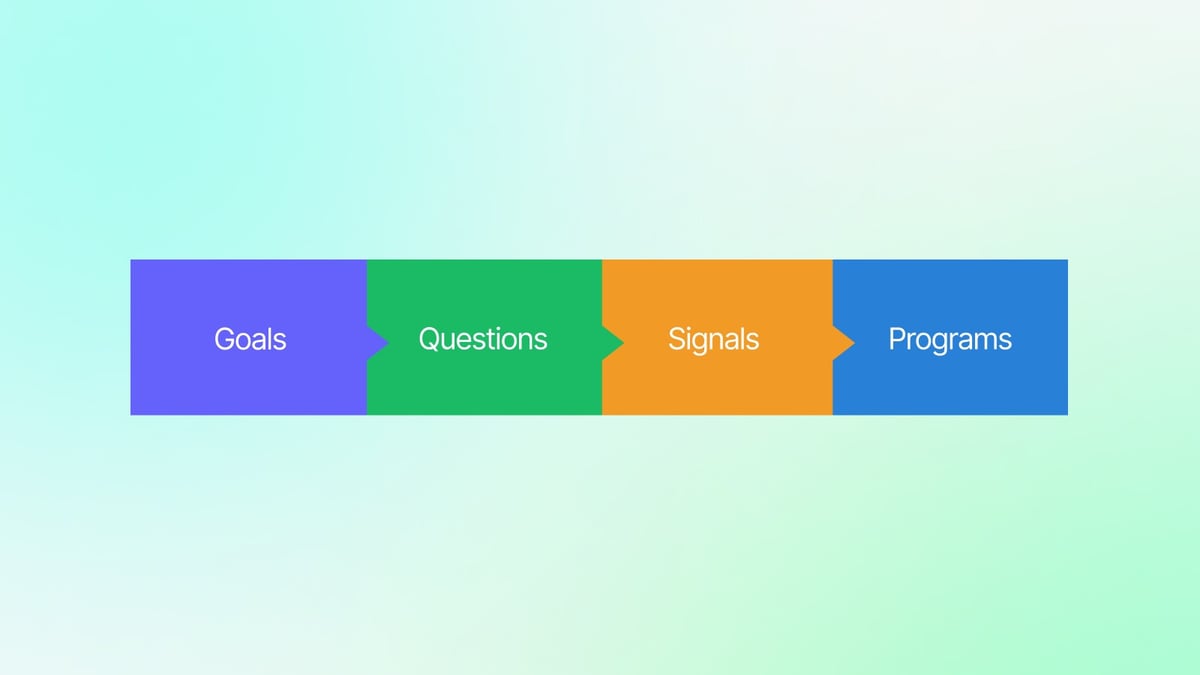
Turning GTM priorities into community strategy is less about mapping goals to tactics and more about building a steady feedback loop. Questions guide program design. Programs surface learning. Learning shapes decisions.
In January, that loop doesn’t need to be complete or polished. It just needs to be intentional. When community teams focus on translation and learning instead of coverage, their work becomes easier to integrate into GTM planning throughout the year.

Key takeaways

  • GTM goals are clearer when translated into questions first.
  • Community programs are most effective when designed to surface learning.
  • Consistent sharing turns insight into trust over time.

FAQ

Do we need advanced analytics to do this well? Not early on. Many useful signals show up through recurring themes and questions before dashboards are in place.
How many programs should support a single GTM goal? Usually fewer than expected. Focus helps patterns emerge more clearly.
What if GTM teams disagree on priorities? Community insight can inform those conversations, even when alignment takes time.
Comments (0)
Popular
avatar

Table Of Contents
Dive in

Related

Resource
Turning Paid Programs Into Value-Add Community Content
By Joshua Zerkel • Dec 4th, 2025 Views 3
Resource
LEGO Ideas: Turning Fans Into a Product Strategy Engine
By Joshua Zerkel • Sep 18th, 2025 Views 43
Resource
Playbook: Turning Community Insights into Business Impact
By Brian Oblinger • Dec 5th, 2025 Views 11
Resource
Playbook: Turning Conversations into Conversions with Community
By Anthony DeShazor • Oct 15th, 2025 Views 12
Resource
Turning Paid Programs Into Value-Add Community Content
By Joshua Zerkel • Dec 4th, 2025 Views 3
Resource
Playbook: Turning Community Insights into Business Impact
By Brian Oblinger • Dec 5th, 2025 Views 11
Resource
Playbook: Turning Conversations into Conversions with Community
By Anthony DeShazor • Oct 15th, 2025 Views 12
Resource
LEGO Ideas: Turning Fans Into a Product Strategy Engine
By Joshua Zerkel • Sep 18th, 2025 Views 43
© 2026 Gradual Community
Privacy Policy