Event Replay: Context First: The Missing Signals in Customer Success
Speakers



SUMMARY
Context First: The Missing Signals in Customer Success
Webinar Replay
What does customer context really mean?
That was the question that kicked off this edition of our Context First webinar, where leaders from Deel, Zappi, and EAB explored how organizations are building a more complete understanding of their customers beyond product usage alone.
Throughout the conversation, our panelists shared practical examples, leadership lessons, and the customer signals they rely on every day to build stronger partnerships and better business outcomes.
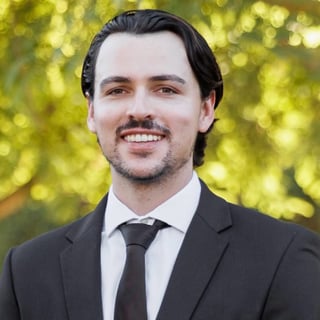
Speakers Theeba Chuciyanthan – Manager, Customer Success, Deel Garret Mesa – Director of Customer Success, Zappi Keishla Ceaser-Jones – Managing Director of Partner Success, EAB Key Takeaways Customer context starts before the sale
Understanding what motivated a customer to buy, the problem they're trying to solve, and the outcomes they hope to achieve creates a stronger foundation for long-term success.
Product usage is only one signal
Customer conversations, executive relationships, community participation, events, customer education, support interactions, and business changes all contribute to a more complete picture of customer health.
Context should be continuously updated
Customer priorities, stakeholders, and business goals evolve over time. The best customer teams revisit discovery throughout the customer journey rather than treating it as a one-time activity.
Customer Success is a team sport
Building customer context requires collaboration across Sales, Marketing, Product, Customer Success, Support, and Community. Every team contributes valuable signals that help improve the customer experience.
Curiosity creates better customer outcomes
Great Customer Success leaders ask thoughtful questions, listen carefully, and validate assumptions instead of relying solely on dashboards and health scores.
Leadership enables better conversations
Coaching, call reviews, and ongoing development help customer-facing teams become stronger discovery partners and build deeper customer relationships.
Memorable Quotes
"Product usage tells you what happened. Context helps you understand why."
"Sometimes we get so busy launching the product that we forget we're launching the partnership."
"Customer context isn't static. It changes as your customers change."
Thank you to everyone who joined us for this conversation and to our incredible panelists for sharing their perspectives.
We're excited to continue exploring customer context through future research conversations, executive dinners, fireside chats, and webinars as part of the Context First series.
Watch the recording above and stay tuned for our next conversation.
TRANSCRIPT
00:00:00:05 - 00:00:27:20 Priscila Fletcher Hi everyone and welcome and thank you for joining us today. My name is Priscilla Fletcher. I'm chief staff here at and I'll be your host for today's session. And when we just share a little bit of graduate if this is your first time here, graduate. We're building a customer context platform that helps organizations bring together customer signals across every touchpoint to create a more unified experience for prospects and customers.
00:00:27:23 - 00:00:46:01 Priscila Fletcher I said it, and I'm going to say it again if this is your first time. Thank you for joining us. If this is not your first time, if you know us or know me, welcome back and thank you for joining us. Hi, Bob, I can see you. Thanks for turning on your camera. So excited. I am very excited to be joined by three amazing leaders here today.
00:00:46:01 - 00:01:05:01 Priscila Fletcher I was just selling them. How grateful I am. Not just that they're here, but that I get to know them. That I get to be part of their lives and their journey. So I'm excited and happy that they accepted to join us today. So perhaps since there's like enough of us here, we can get started with a quick round of interest and then we can kick off with the questions.
00:01:05:01 - 00:01:26:20 Priscila Fletcher But first, let me just give you, like I realize I didn't give you a quick tour here, this platform, it looks a lot like zoom. So you feel familiar with the chat with the Q&A. So please add your questions in the Q&A. We're going to have some time at the end to answer questions. Please use the chat, say hi, connect and ask questions as well.
00:01:26:22 - 00:01:48:06 Priscila Fletcher If you need to unmute yourself, raise your hand. You can see the commands on the bottom if you need to see who's in the room. On the right side, you see all the titles. You can hover over their name and you can see their profile as well. But let's get started and let's talk about some of the people that are in the room here and give them the room to introduce themselves.
00:01:48:09 - 00:01:51:21 Priscila Fletcher Would you like to start? Yeah. Hi. Thanks, Priscilla everyone.
00:01:51:21 - 00:02:17:08 Keishla Ceaser-Jones My name is Kayla Caesar Jones. She her I'm a managing director of partner success at Eby, where I lead a partner success team that supports higher education institutions through a virtual tour partnership that they use in their marketing and enrollment solutions. My teams are both service and commercially focused, and we really work on helping enrollment leaders connect engagement and relationship performance signals to help them in their broader institution goals.
00:02:17:08 - 00:02:31:17 Keishla Ceaser-Jones I've been in this role for just about five years. It'll be five years in December. I live just outside of Austin, Texas, and I come to partner success by way of sales, and prior to that, I was an educator. So very thankful to be here today and have this conversation.
00:02:31:19 - 00:02:35:18 Priscila Fletcher Thank you. You want to go next?
00:02:35:20 - 00:02:58:28 Theeba Chuciyanthan Lovely to see friendly, familiar faces and new people on the call. I wanted to say hello to Guillaume. He used to be on a team of mine at a different company. So it's so nice to see your face. And I'm Phoebe. Worker deal. I am the head of customer success for one of the product lines at deal, which is specifically date.
00:02:59:00 - 00:03:28:04 Theeba Chuciyanthan I've been with DLA for about a year and a half now, which is kind of crazy to say. And what else? That is a real bike. I always tell people it's not a fake background, it is a real bike. And I was just telling Garrett that I took it to Salt Lake City to do a little loop there, and my next upcoming ride is going to be a 200 kilometer ride around Lake Simcoe in Toronto.
00:03:28:07 - 00:03:32:22 Theeba Chuciyanthan That's that's me. I'll pass it on to Garrett.
00:03:32:25 - 00:03:34:16 Garret Mesa Thank you.
00:03:34:18 - 00:04:01:19 Garret Mesa Hi, everyone. So nice to see you all. It's fun to watch this number keep growing as the group gets bigger. I unfortunately don't have a multi ride scheduled so mine will be up and down my staircase later today. But I am Garrett Mesa. I'm the Director of Customer Success at zappy. Been with this company for almost five years, but been in the account based role for coming up on almost a decade, which is crazy.
00:04:01:21 - 00:04:33:14 Garret Mesa We are a company focused on delivering insights for organizations big and small, specializing in innovation, advertising and brand. So our team is now about 1213 now CSM spread across North and South America. I have the pleasure of working with each of those folks. We are similar to Catia, a service and commercial based team. So dealing with our scaled segment Mid-Market all the way through enterprise and based out of Salt Lake City.
00:04:33:16 - 00:04:39:09 Garret Mesa So very happy to be here today to chat with you all.
00:04:39:12 - 00:04:57:16 Priscila Fletcher Thank you Garrett. Awesome. Thank you all for being here again. I appreciate your time. I know you're busy. I know it's Thursday. I know my lifetime. Ivy. Morning time. Ivy afternoon. So I appreciate you all taking the time. I want to make sure this is like a conversation and not a presentation. So feel free to ask questions and to raise your hand.
00:04:57:19 - 00:05:28:25 Priscila Fletcher This is a small group, so it feels like a more intimate conversation that we have with the leaders, and grateful that we have access to all of that. So before we jump, I just want to make sure I'll give you some context on why we're having this conversation. Context first is a broader initiative that brings together customer facing leaders through research conversations, executive dinners, fireside chats, and webinars to explore one big question how can we build a more complete understanding of customers?
00:05:29:01 - 00:05:54:29 Priscila Fletcher Over the past several months, one theme has constantly emerged some of the most viable customer signals don't live inside the product. They come from customer conversations, relationships, community events, customer education, support interactions, and many other touchpoints across the customer journey. So this is why you're going to hear the word context so many times. Maybe here today we're not going to talk about AI.
00:05:55:00 - 00:06:13:14 Priscila Fletcher We're not going to give you another workflow to build, but we're going to talk about the signals, whether the missing signals or the signals that we have in those leaders are managing today to make sure that we do have a complete picture on, like, the customer and the value. And how do we build that? Last week we did have a prep call.
00:06:13:14 - 00:06:32:26 Priscila Fletcher And one question came up is customer contacts because it's different for all of us, right. Every organization measures this in addition. And it has a different meaning. So I thought it would be great for us to get started with this question and talk about what does that mean for each one of us here. And probably let's see let's start with Keyshawn.
00:06:32:29 - 00:06:34:04 Priscila Fletcher Let's get started.
00:06:34:06 - 00:07:01:20 Keishla Ceaser-Jones Yeah, I appreciated the meta nature of it all. Let's have some context about context. But, you know, customer context, obviously at its base level, I think it's same and different across industries. But we obviously know, you know, the profile of our our buyers, the market, the industry, the roles that our buyers come from. But the the most important context, in my point of view is like it's the customer's challenge, it's the problem they're trying to solve.
00:07:01:21 - 00:07:29:11 Keishla Ceaser-Jones It's the objective they're trying to reach. It's how are they solving the problem now? Is it a new problem today? What have they been doing? Who are the team members that will potentially use your product to solve this problem and address what they're doing? And it's all about like, do we have the right people in the room to engage, to best understand that so that we can mitigate risk post implementation and launch to know that we can we can move forward to actually solving the problem.
00:07:29:11 - 00:07:56:09 Keishla Ceaser-Jones Sometimes I think we get so busy in launching the product that we miss that we are launching the partnership in the relationship, and that is understanding what brought you here, you know, what have you been doing in the in the in the interim before you started looking for a solution to this situation so that we can make sure that we're best aligned to be able to meet the goals and needs of the customer.
00:07:56:11 - 00:08:01:01 Priscila Fletcher You want to go next.
00:08:01:04 - 00:08:02:07 Theeba Chuciyanthan Did you say?
00:08:02:10 - 00:08:05:20 Priscila Fletcher Yeah, sorry.
00:08:05:23 - 00:08:33:18 Theeba Chuciyanthan Yeah, I'd like to add on to work, said, and just take it one step deeper. One thing that you said that was really important was, is this is the problem that they signed up with the same today, right? I think a lot of the times what we forget is that, yes, you know, when we have the handover document, we have context, some context from OBS and from sales, but it's also up to us to figure out what is their problem today.
00:08:33:21 - 00:08:55:04 Theeba Chuciyanthan The other thing that I always have my CSM do is put together an org chart, and they always ask me like, why do I? Why do I care about an org chart? I always say, look, what matters is how your POC that you're talking to is going to look like to their manager and to their boss. And so what does your POCs boss care about?
00:08:55:05 - 00:09:32:24 Theeba Chuciyanthan And that's when you're actually going to get real context on what's going on in their business. Because if it's coming from top down, they obviously care about it. They have a lever to pull. And how can you partner with them to pull that lever? And that's for me what real context is. I mean, we can dig into like, hey, I'm the a tech company, how many employees do they have, etc., etc. but unless you find out like what's actually important to your POC and their boss and it doesn't really matter how happy they look on paper, you're never going to be like integral to that, to that partnership.
00:09:32:26 - 00:09:53:03 Garret Mesa It's a really interesting point, but I think for us it's very timely. We have big focus for us right now is org mapping, as we understand, like the layers of influence through an organization. Like those motivations are going to be different. Like that pain that we're solving for the person that signed that contract. It's going to be different for the person three layers above.
00:09:53:06 - 00:10:15:08 Garret Mesa We just wants that that end result. So yeah, I think we we consider that context an important element as we think about the shaping of our segments, as we think about the types of customers we want to sell to and our ability to switch that context depending upon the persona, the industry, the vertical that we're finding ourselves in becomes so incredibly important.
00:10:15:10 - 00:10:38:15 Garret Mesa The thing that we understand our customers pain is going to evolve from even, say, for our organization itself, like month to month, week to week, it just rapidly evolves. And in the age that we're living in, where there's so much context in different places, it becomes almost essential. I'm not going to say like a nice to have. It's a need for your business to have that centralized in one place.
00:10:38:15 - 00:10:48:00 Garret Mesa So it's easy for your whole organization to really rally around versus like, I've got it all in my head, I know it all, which is where we often find ourselves.
00:10:48:01 - 00:11:12:06 Keishla Ceaser-Jones Very impressive. Well, I think the other thing people that you pointed out in going deeper is that context has to be revisited. Yeah, right. It changes over time. We've been thinking about like, most of the time we build a customer journey in. The customer journey for a brand new partner is a different customer journey for the partner that's been with you for three years because their context, obviously, if they're using your product, should have shifted in some sort of way, hopefully meaningful.
00:11:12:06 - 00:11:31:27 Keishla Ceaser-Jones And so if you are not thinking about this in a tiered, layered perspective and also one that has to, there are times when you have a new stakeholder that comes in and then pushes that, that partnership, that might be a five year partnership back to a new partnership. So that context is shifted. And so I think you can't think of it in this linear sort of one directional way.
00:11:31:27 - 00:11:35:26 Keishla Ceaser-Jones It's like it has to be layered and.
00:11:35:29 - 00:11:36:29 Theeba Chuciyanthan Yeah.
00:11:37:01 - 00:11:38:25 Keishla Ceaser-Jones Yeah.
00:11:38:27 - 00:12:02:27 Priscila Fletcher Yeah I know that all makes sense. And I'll just share very quickly here. What does that mean for us a gradual like customer context for us we're constantly looking as a customer. Are they joining events in person events, online events. Are they sharing questions or messages in the forum like the discussion forward. So we're looking outside of the customer journey to find those signals, right.
00:12:02:28 - 00:12:30:07 Priscila Fletcher Like what's happening outside of your product because sometimes they're logging in, they're using. But the sentiment that happens outside, it's very different from what the sentiment that happens inside of the product. So I just wanted to add that out there because I feel like not very often we look for signals outside of the product, right? Sometimes we stay in that box and we make sure it's okay if they're logging in, if they're using their their spending, that's totally fine.
00:12:30:07 - 00:12:50:25 Priscila Fletcher But what is really actually happening? And I do a lot of events, a lot of in-person events. And sometimes we see the conversation there is very different. So it's important to also think about that. Those are all like really good points. We're just kind of set in the base here. And pretty soon we're going to get to the point where we're sharing best practices.
00:12:50:26 - 00:13:12:22 Priscila Fletcher And what are we doing internally that you can take away with you and use this either today or tomorrow. And I hope you can all take some at least one thing away with you today. But I'm curious to hear, like since we're talking about signals and contacts, what are some of the signals that matter beyond product usage for you as a leader right now?
00:13:12:22 - 00:13:23:03 Priscila Fletcher What are some of the things that you're looking for, whether what your team or other teams. Right. Like I'll have Gary kick us off with that one.
00:13:23:06 - 00:13:44:22 Garret Mesa Yeah. So product usage I think for years and customer success has been the guiding light. And as we as we know like that that evolves a lot, especially in the last couple of years as AI becomes more prevalent. And not that that's the softer any of this, but the signals that matter, I think, are the ones that are not being they're not available in a dashboard.
00:13:44:22 - 00:14:17:13 Garret Mesa So it's what we're hearing in a conversation. It's it's what I'm seeing in terms of your intent. We often see, you know, I'll speak for our own organization. Product usage is indicative of you being having some level of engagement, some level of conversion. That conversion always doesn't come through. So we're often needing to pay attention to, hey, you've expressed interest to you in our platform in some way or a feature set by simply clicking on it, you're not actually converting into usage, but it's something that you're you're saying to me, hey, I need to pay attention to that.
00:14:17:15 - 00:14:37:02 Garret Mesa I need to go dig a little deeper as to what's driving them to behave a certain way beyond that. Like we're all people, right? Like, so we've got things we engage with on LinkedIn. That's context. We've got stuff that we're doing, going to events. We go to dinners with our customers. We see them in person. You know, all of these things shape the context that we should be listening for.
00:14:37:02 - 00:14:55:10 Garret Mesa So it's more than just a hard number. It's the subtext of the relationship. How engaged are they? Are they showing up to those meetings and who's attending those meetings? Is it always my user or is it is it the champion? Is it that decision maker, the person who's signing those checks? Do they care about what we're doing here?
00:14:55:10 - 00:15:22:00 Garret Mesa So that context stems, you know, it goes further than just a red, a yellow or green in terms of how much they're spending. Are they on track to to spend everything we expect as a part of the contract term? You know, we're looking at those like recession proof items where we can say yes, if they stopped using tomorrow and we didn't hear from them, what else could we start to pull together as a group?
00:15:22:02 - 00:15:43:26 Garret Mesa So often? That's the challenge for our for CSM every day and quite frankly, for any organization is how close of an era you keeping to the ground. So you're paying attention to what can have a ripple effect from something macroeconomic, from something within an industry or a vertical that may not be affecting your partnership with that customer today, but could theoretically be affecting them two months from now.
00:15:43:26 - 00:15:47:26 Garret Mesa And how are you getting in front of that?
00:15:47:28 - 00:16:08:22 Priscila Fletcher That make a lot of sense? I'm curious also like this is part of the same question. But before I go, like who defines that like in your org? Like what matters? What are the signals that matter? Because that's to me is interesting. Like there's like we know there's signals that matter, but who defines and help shapes that in terms of like, what are the signals that matter?
00:16:08:24 - 00:16:33:17 Garret Mesa It's a great question. You know, it's less about for us, it's less about like who owns it. So we like to think that CS owns these customers. And while that's true the customers owned by the organization. So there's an inherent accountability that gets shared across a business to say that's our customer. We collectively have to, you know, be paying attention to these signals.
00:16:33:17 - 00:16:52:18 Garret Mesa Now more tactically we like to think that's great in practice, but our CEO is not going to look through LinkedIn to figure out what's going on with these customers. So who's actually going to execute it? Typically that's our account team. So CSM are the CEOs of that book of business. So they are the ones that are paying attention to and bringing that that contextual layer around.
00:16:52:19 - 00:17:15:27 Garret Mesa Hey I'm hearing these signals. Hey, I'm seeing these different red flags risks in our partnership. So we have all of our CSM connect with their customers on LinkedIn. We have them go to these events. We try to push them to see their customers at least once a year to get in person to build that, that relationship. But as it pertains to that shared accountability, we have marketing partners.
00:17:15:27 - 00:17:38:23 Garret Mesa We have sales partners that are going to have different perspectives on that situation. So as we think about aggregating this view, the ownership sets on the business, the execution sits on the account team. And there's a due diligence from leadership layers to make it easy for your teams to speak that same language. If we all have different perspectives, we're asking different questions.
00:17:38:23 - 00:17:45:13 Garret Mesa It's tough for us to find a consistent thread because we're constantly having to unravel this, you know, ball of yarn.
00:17:45:15 - 00:18:09:04 Keishla Ceaser-Jones So yeah, I think you're spot on. The cross-functional nature of this can't lost. I mean, you cannot wait until you get to the account manager level or CS level to figure out if you are looking for the right metrics. That has to happen at product design, that has to happen at go to market strategy, because I can't imagine you don't know what those metrics are when you're selling the product.
00:18:09:04 - 00:18:31:18 Keishla Ceaser-Jones So you really I think there needs to be a keen understanding and a shared perspective on, you know, what you believe is the value prop. And so I think, you know, Priscilla, to go back to your first question of like, what are those signals beyond product usage? It should be the outcome and the impact signals that the partner is getting, you know, so, you know, product product usage is is a historical document.
00:18:31:18 - 00:18:58:25 Keishla Ceaser-Jones It's a it's a reflection of what has already happened. And it's, it's then to take what has happened and make the connection to what it means in terms of partner KPIs and ROI statements. Either in the short or the long term. So you know your product usage lets you know they showed up. It doesn't tell you what it means and how it how it changed anything for them in their work.
00:18:58:26 - 00:19:20:05 Keishla Ceaser-Jones Unless, you know, there are some products that maybe work in a little bit different way. But if yours is one that isn't maybe like a foundational core product that, you know, people are using, like asana or things like that every day, it you have to really make the build the bridges between what your product does and how your partners experience it and what that means for them.
00:19:20:05 - 00:19:41:01 Keishla Ceaser-Jones And you can't just show your dashboards as evidence. You have to be able to create the space for the dialog, for that feedback to come back to you and make that a two part conversation of how is this changing? Either saving you time, saving you money, making you money, right? That's what people want to know they're doing. And so it's like you have to get to the outcome metrics.
00:19:41:01 - 00:19:53:11 Keishla Ceaser-Jones To me, those are the the ones that matter. And it's oftentimes the hardest ones to get to because it takes collaboration with the customer to do it.
00:19:53:14 - 00:20:18:23 Theeba Chuciyanthan I won't harp too much on the question because I think we've covered a lot already. The only thing that I would like to double down on is you mentioned, you know, posts on LinkedIn or social media, etc. what I've seen that works really well is and I know we're not supposed to talk about AI, but having like we have a slack channel essentially.
00:20:18:23 - 00:20:49:12 Theeba Chuciyanthan And anytime there are specific trigger words that are our clients, say on LinkedIn or on on what is it called now x Twitter that we have a team that is ready to act on it immediately. You know, and I think that makes it easier for not just, yes, to own customers, but also a wider organization to work together with CS because it's not just, you know, at not everything should fall into customer success.
00:20:49:15 - 00:21:09:12 Garret Mesa Funny, we have actually the same thing for us. It's, it's, it's we call it like market intelligence. So it's something where like even though we're paying attention to our customers, like maintaining we're talking about context through the lens of customers. But that context is also what's going on in, in your competitor set. So what are they evolving? What are they doing?
00:21:09:15 - 00:21:30:23 Garret Mesa Are we paying attention and staying ahead of that? Is our organization truly please? Is it truly, you know, a customer led organization? Are we paying attention to what our client perspective and current clients are saying is a pain that we have yet to solve?
00:21:30:25 - 00:21:52:07 Priscila Fletcher Yeah. That's amazing. Thanks for sharing what you're all doing as well. That makes sense. And I wanted to to you back on that and like maybe kick back to to on like what are some of the important, important customer contacts that you feel like it might be over often overlooked right now.
00:21:52:09 - 00:22:17:29 Theeba Chuciyanthan So that's a great question. When I think about signals and contexts, I'm not only thinking about like behaviors that the client is taking externally or internally. I also think about what's going on in their actual business. Right. So those to me are also signals of context. So a big thing for me is like knowing when their fiscal year ends.
00:22:18:01 - 00:22:36:04 Theeba Chuciyanthan When does that tells me that budget is about to close, which means that if they're renewals coming up, we should have already spoken about it. We could get ready for it, right? Those are, for me, proactive signals. Every CSM should know what is the fiscal year? What is the budget cycle? When do they need to lock in the money?
00:22:36:06 - 00:23:15:11 Theeba Chuciyanthan Like I mentioned org structure and decision makers. Like that's obviously a non-negotiable. Like every single CSM should know who their decision makers are for each of their account, but at least the top 20% of their account, if they've got like hundreds and then buying patterns and contract timelines. So I work with hardware and I work with like some of the most like SaaS that also hardware because it's DIT, we ship laptops, assets, etc. what I really care about when it comes to hardware is knowing when they're going to be hiring, knowing like, what does their next quarter look like in terms of planning for HR and headcount?
00:23:15:12 - 00:23:33:16 Theeba Chuciyanthan Which regions region are they going to look look at next so that we can plan to make sure that a we have the hardware, D that we can get it on time and see that we actually are able to go in and ask them like, hey, I know that you mentioned last month that in August that you're going to be hiring for new headcount.
00:23:33:17 - 00:24:01:08 Theeba Chuciyanthan Let's talk about it. Let's figure that out. And the the last one I always have my CSM mentioned in all of their like biweekly calls or whatever, however many holes I have is any business changes. So one thing that we always do is I start it off with like, hey, this is what's changed at deal. Like, here's our business changes, here's what's coming on the road map, what I whatever I can share.
00:24:01:08 - 00:24:24:10 Theeba Chuciyanthan And that then creates a little bit of a opening for the client to also share back and say, okay, yes, you do have a new, you know, new department that we're building. We have less headcount. We're actually had someone leave. And so we're strapped for time. And those are all signals and should be all signals on like, okay, how do we change in order to services client.
00:24:24:11 - 00:24:47:21 Theeba Chuciyanthan Now how if we let this go they might just ghost us. Right? And it's not just about, you know, how loud or how quiet a client is. It's the change. It's like a client who used to be really, really loud and annoying and kept coming to you with questions, all of a sudden stopped asking you questions. Why? Or a client who was super quiet was very independent.
00:24:47:24 - 00:25:13:05 Theeba Chuciyanthan Produce is just great. All of a sudden you've got so many support tickets, you've got, you know, emails in your inbox or cause being booked or asked or escalation. So those to me are like really big signals on the health declining and like mentioned, the impact like the outcome of that is a turn, right. Like that's the biggest like bigger picture that we're trying to obviously prevent is like a client leaving us or a client attracting.
00:25:13:08 - 00:25:21:25 Theeba Chuciyanthan But these are all like smaller levers or things that we should be looking at in a day to day.
00:25:21:27 - 00:25:25:08 Priscila Fletcher I love that, thank you. You sure you want to add anything or you want to know?
00:25:25:09 - 00:25:43:16 Keishla Ceaser-Jones I think spot on. Really. I love the whole conversation around understanding budget. I think we spend a lot of time acclimating our partners to how we sell, and we don't think about how they buy. And this is a buying experience. And we and so understanding all of those mechanisms and things and you can find yourself too late to early.
00:25:43:19 - 00:26:09:23 Keishla Ceaser-Jones And so if you don't ask those questions and that's just, you know, smart account management to be able to do that. And then I, I think the other part is like you said, that when those partners go quiet, partners get noisy, all of those, you know, how and how well we capture the noise as, as repeated concerns that help us to inform product, that help us to inform the go to market arm is all really critical.
00:26:09:25 - 00:26:26:09 Keishla Ceaser-Jones Oftentimes, you know, product concerns and things like that just sort of get get put in the backlog of the product roadmap. And it's like, where are we seeing patterns and trends that can keep us ahead of big misses because we, you know, and to Garrett's point, we're paying attention to what our competition is doing or or moves they're making.
00:26:26:10 - 00:26:38:00 Keishla Ceaser-Jones You know, every, every tech companies got to prioritize what they're going to invest in. But if you're not investing in the things that are going to really move the needle, then you can find yourself on the back end of that as well. Yeah.
00:26:38:03 - 00:26:59:19 Garret Mesa I think it's hard sometimes. Like we don't it's easy for us to be scared to ask the question and clarify, like what those outcomes are and how we measure them. And like unless you can measure it, it's not an outcome. Yeah. It's it's nice to have it's anecdotal at best because you know, we all know as you sell higher up in an organization and as a part of that buying process, it's dollars and cents.
00:26:59:19 - 00:27:16:25 Garret Mesa How are you moving the needle in my business. What is that needle and how much do they move it by. So if you don't have that way to ask that question and challenge your customer, and if you don't know like that's that's an opportunity where you can provide that additional value, like come up with something together.
00:27:16:28 - 00:27:20:14 Keishla Ceaser-Jones And fear of not asking the question doesn't mean the answer doesn't exist.
00:27:20:16 - 00:27:26:07 Keishla Ceaser-Jones Exactly. Like you can be scared to ask the question, but the answer is there and they're.
00:27:26:07 - 00:27:27:27 Keishla Ceaser-Jones Functioning under it. So like.
00:27:27:28 - 00:27:30:29 Keishla Ceaser-Jones We got to get over that.
00:27:31:02 - 00:27:48:09 Priscila Fletcher I love that. Thank you. And I know Bob's in the room and I he's the king of like the discovery questions. I learned so much from him. I remember there's some questions that never leave my mind. It's like if I were to be in your board meeting today, what are some of the questions that I can hear from your your board members?
00:27:48:16 - 00:28:07:03 Priscila Fletcher Even back when I was like a CSM, like planning, doing success planning with my customers, right? Like, what are the three bullets that you need to add on your resume in the next quarter or within the next six months or within the next 12 months? Because I know those three bullets are going to motivate you to get things done.
00:28:07:03 - 00:28:29:10 Priscila Fletcher And I know that they're important. Those are manageable things, right? Like I, you know, whatever it is, those three bullets and start working your way towards that, towards that goal because they'll be more motivated is about them. It's not about you. So I love that and I appreciate all the the context that you all shared so far. I wanted to get to a practical advice.
00:28:29:11 - 00:28:56:28 Priscila Fletcher Now let's say a team starting from zero. I think maybe some of us here like don't have anything yet are building things from scratch, or some CSM or building things from, you know, they don't have a lot of tools. What is the first like non product signal that you tell them to start tracking? What is something that maybe worked for you or that you feel like, okay, it's easy enough even if you don't have a lot of tools, you can start tracking this.
00:28:57:01 - 00:29:21:00 Theeba Chuciyanthan I can take this one. So this is actually fabulously going into this section right now because we talked about measurability, right. One of the biggest things that I always do, and the first things that I always do is take the bigger picture, like the outcome, like what is your CEO care about? What is your care about? And then work backwards.
00:29:21:03 - 00:29:44:15 Theeba Chuciyanthan Let's say, for example, you know, and I just did this. So like let's say for example your company wants to increase revenue by X. And I would basically figure out how much of it is CS responsible for in the past and then make it a stretch goal and then work fully backwards. How many expansions and skills does a CS or you need to hit in order to hit that revenue increase?
00:29:44:17 - 00:30:05:00 Theeba Chuciyanthan Right. And then I break it down into months and then weeks. And now how many conversations does it take, for example, for CSM to close at scale or to actually renew that client and hit that number? So now we've broken it down from like a big picture into like the year into the quarter, into months and weeks and days.
00:30:05:00 - 00:30:33:28 Theeba Chuciyanthan And then it really just boils down to your your CSM is having conversations with clients. Seriously, if you don't have the fundamental building blocks on the bottom, we can start talking about, hey, let's coach this SMS on discovery questions, let's coach CSM on how to ask about their org structure or how to ask about their budget. But if they're not actually having these conversations or having enough of these conversations, it doesn't really matter.
00:30:33:28 - 00:31:12:14 Theeba Chuciyanthan So the easiest and the biggest one that to me I would start tracking first is just, you know, the number of calls that your CSM is having with your with your clients. And then you can then you can figure out how to teach them because it tells you, you know, who out of the CSM is turning those conversations into an expansion or is turning those conversation into an opportunity, then you can have a bit more information and use that information to personalize the coaching to your team versus just going in and being like, hey, I'm assuming you don't know how to do discovery question.
00:31:12:14 - 00:31:34:25 Theeba Chuciyanthan I'm just going to put you on it right now. You can make it a bit more personalized. And so the easiest one for me is don't even worry about whether it's strategic or whether they're having a reactive, active conversation. And we in CS we love to throw around the word proactive, reactive, strategic. But it just starts from like having conversations, having an actual connection with your clients.
00:31:35:02 - 00:31:55:02 Theeba Chuciyanthan And don't make it about penalizing your CSM for not having enough cause. It's more about how are we getting in front of your customers? And the way that I frame it is the more we know and more we engage with the clients, the more information we have on on our customers. Yeah, that's basically what I would start with.
00:31:55:03 - 00:32:37:13 Theeba Chuciyanthan And then add your, you know, strategic ness of it, define it, can you measure it and then coach your SMBs on, okay, what does a strategic call actually mean? What does it mean? And put it into like specific questions and then start measuring it with gong or whatever you like. But again, this is about listening to customers, not penalizing CSM performance, because at the end of the day, we're not a sales team, we're not Compton like number of calls, etc. but the bottom line is, you know, you have to have enough calls to be able to start having those conversations and opening doors to expansion.
00:32:37:15 - 00:32:39:09 Priscila Fletcher It looks like you were going to add something.
00:32:39:11 - 00:33:06:00 Keishla Ceaser-Jones Oh yeah. No, I think if I had to say like one non, you know, product approach to helping to better understand your customer context is really understanding your buyer personas. We spend some time we we had a. Way that we perceived our product being used and who we thought our core buyer was. And when we spend some time really digging in, we had about a 5050 split between two different types of buyers that were purchasing and depending on the.
00:33:06:02 - 00:33:31:02 Keishla Ceaser-Jones And then going back to the point about the organizational structure, how those different buyer personas manifested themselves in in their org structure, it looked different of what they thought was most important about our product and how they were trying to utilize our product. And then that allowed us to shift our our framing and connection of the product usage to the right KPIs and value outcomes.
00:33:31:05 - 00:33:59:11 Keishla Ceaser-Jones It also helped us to help to break down silos in the partners organization, to make connective outreach to adjacent offices who would have also seen the same value, and it created more opportunities for stickiness. So I think it's a combination of understanding who's buying your product and how they intend to use it, and making sure you have a really clear understanding around how to connect, how you approach presenting your product.
00:33:59:12 - 00:34:05:11 Keishla Ceaser-Jones I mean, we've all had instances where we we thought a partner had a low usage, and you go in there and they're like, no, I'm using it.
00:34:05:18 - 00:34:07:19 Keishla Ceaser-Jones It's it's solving the exact same thing.
00:34:07:19 - 00:34:23:23 Keishla Ceaser-Jones I'm not worried about these buttons or these other things in here, but I'm using it exactly the way I need to. And it's solving this exact problem I need. And it was when we shifted, understanding the customer more than the product that we were able to make that connection.
00:34:23:25 - 00:34:44:01 Garret Mesa It's funny, we ask this like one question to anybody that's either joining our organization or we have, you know, accounts they're taking on counting change all the time. If I don't have a way to know why you bought from us. I can't see that anywhere. I have no idea why you continue to buy. You see instances a lot of times where customers just renew.
00:34:44:01 - 00:35:03:08 Garret Mesa And sometimes I want to challenge them, like, why are you even giving us money? I want your money. I want your deal. I want your business. But why do you buy from us? I just don't I don't have a clear understanding, you know, it's such a simple, straightforward question just to like, ask that. And I think you'd like to your point, how we start to get in front of our customers.
00:35:03:10 - 00:35:28:07 Garret Mesa Like we can say we're going to track all these items, but ultimately to build upon it to to strengthen that context, you're going to have to get in front of your customers and ask those questions. And do your team feel confident enough to do that? One of the things we pay attention to is like talk ratios like this has come up a couple of times now as we go, but if I can see somebody that's, you know, our SMBs are speaking for 80, 90% of the call, we didn't actually hear anything.
00:35:28:10 - 00:35:46:21 Garret Mesa You know, we didn't. There's no way we could learn anything from that call. It became a data dump. We got this customer for, you know, 30 minutes. They've been ghosting us for for three months. And we're going to use that time to force six months of a product. Wrote this discussion, and I don't actually know if that's going to be worthwhile to you.
00:35:46:21 - 00:36:13:01 Garret Mesa I don't know why that why you should care about it. So, so understanding like that, that pain that that driver of this few times in this conversation, but the motivations of a business and the motivations of an individual or very much overlapping but are different. So we have to understand what's going to create that champion out of this person who's going to carry this partnership for the next 12, 24 months.
00:36:13:03 - 00:36:31:16 Garret Mesa And then all the while, how do I earn the right to sell more to this business? How do I get in front of to say yes, like those outcomes that we've driven all anchored in the things that we agreed on are being executed against. So, you know, those those motivations are just a little different and all surface through these engagements.
00:36:31:16 - 00:36:36:08 Garret Mesa So if you're not talking to your customers, there's no way you're going to be able to build that context layer.
00:36:36:10 - 00:36:56:29 Theeba Chuciyanthan Absolutely. I'm just going to add one little thing in here, because we always talk about myself included about like, hey, what can CSM do on course, right. We never talk about what leaders could do to help CSM. Are you like the question is like I should be asking myself, is, am I doing my part to make sure that my CSM is set up for success?
00:36:57:01 - 00:37:25:10 Theeba Chuciyanthan And what can I do as a leader to ensure that the CSM are having those conversations and going in prepped? And I know we've got so much going on and we've got so many fires to put out and we've got so many reactive things as managers and we're sitting in meetings. But honestly, like one of the things that I love and my team hates it at first and then they beg me for it is biweekly game tape review and I say biweekly game table is a sports reference.
00:37:25:11 - 00:37:48:15 Theeba Chuciyanthan I've been coaching sports for a while and we used to do them, and every single sports team will always do a game tape review because that's how they can get better. And that's something that I will never not do for my team, whether regardless of how busy I am. And that's super important and like to ask a question like, am I doing what I can to make sure that I'm setting up my cousins for success?
00:37:48:16 - 00:37:54:02 Theeba Chuciyanthan So I just wanted to add that as like a call out for all of us as leaders.
00:37:54:05 - 00:38:20:11 Priscila Fletcher Thank you. I know that makes 100% sense. And I'm reading your book now. It's called Unreasonable Hospitality and I don't know if you read, but it's an amazing book about, so it makes sense. I'm listening to the book, and he was just talking about that part where he he needed to train such a large team, but he needed to do the things that his team, that he wanted his team to do.
00:38:20:12 - 00:38:38:04 Priscila Fletcher So as a leader, we have to we have to be the role model. We have to show them how how things are done, and we can just expect them to do it and not show up and not do the best managers I had, they were the ones on the floor. There were the ones on the ground with us doing things with us.
00:38:38:05 - 00:39:11:09 Priscila Fletcher So yeah, I appreciate that. I wanted to check on, like, I know we're talking about the now, but based on like things you're doing, things are building all the AI going on. I wanted to get a pulse on, like looking ahead. How do you feel that customer health is evolving in the next six months to 12 months, based on things you're seeing, things are building that want to start or Garrett want to start?
00:39:11:11 - 00:39:12:06 Priscila Fletcher I'll give it.
00:39:12:09 - 00:39:17:28 Keishla Ceaser-Jones To how big it I'm in. You know, we're really focused on.
00:39:18:00 - 00:39:43:14 Keishla Ceaser-Jones Bridging the gap between customer usage and customer value. I've been wrestling around how we're we're framing our conversations. I have no for a long time in customer success, the phrase proving value has been pretty pervasive. I'm not here to prove value. That feels like that to me is when you're you're trying to sort of convince people I'm here to validate.
00:39:43:14 - 00:40:05:18 Keishla Ceaser-Jones And the way I validate is by asking questions, by getting making the connection between my product, your use case, your objectives, you're paying your challenges and how it's solving, and it's finding the ways to convert those usage metrics and points of application to partner oriented language and reference points. And so we're really spending a lot of time around that.
00:40:05:20 - 00:40:42:23 Keishla Ceaser-Jones We're spending time really trying to manage executive access differently. You know I manage a point solution that's a strategic point solution and a broader ecosystem. And, you know, it's not realistic that my team members are always going to be meeting with that executive leader or that senior leader. And, and, and I'm rather than sort of forcing the meeting, it's like, how do we make sure we create the right ecosystem around that executive, that they understand what's going on through our champions as well as from us?
00:40:42:24 - 00:40:46:00 Keishla Ceaser-Jones We don't keep ourselves out of access to the executive.
00:40:46:00 - 00:40:46:11 Keishla Ceaser-Jones But.
00:40:46:11 - 00:41:06:25 Keishla Ceaser-Jones We keep the right level of engagement with them. So that's the second thing we're working on. The third thing we're working on is managing competitor presence. Your competition is out there. How are you headed them off of the past. And it's and it's how are you asking the right questions to not know if competition is there because it's always there.
00:41:06:25 - 00:41:44:22 Keishla Ceaser-Jones And sometimes the biggest competition is doing nothing right? I'm choosing to just stop what you're doing. And how do we understand that better, and how do we manage that better and make those connections. So like for us, those are our three big pushes for we're just kicking off our new fiscal year and making sure that we're aligned in those three ways and doing that in a way that we are supporting the PSM at the individual level, but providing the right scaled efforts to help them do that, especially, I think, in order your your success managers have really large portfolios.
00:41:44:24 - 00:42:11:04 Garret Mesa Yeah, I think for us like one thing that is a big focus. And as we think about the shaping of customer success, like often we have just in my experience, been very focused on like a user type persona, user type level. And so elevating your CSM to own relationships that are more senior. So I want them to feel just as comfortable owning that relationship of a CMO or a CEO as they would be with the basic user.
00:42:11:06 - 00:42:35:29 Garret Mesa So we have to to elevate the types of discovery, their executive presence, understanding. This is again come up, I think, a few times, like the layers of influence within an organization. And how do I shape my discovery? How do I shape my engagements differently based upon that persona? Their time in our in their life cycle with us understanding that commercial context.
00:42:36:00 - 00:42:59:27 Garret Mesa And I think like this has become more and more prevalent for CS, is we are no longer just a service based function. We are we are commercial. We are revenue driven. Easier said than done. Of course, but that upskilling becomes paramount as we go through this. So the the onus falls to us as leaders to elevate our teams.
00:42:59:27 - 00:43:23:22 Garret Mesa And, you know, I want them to be better than me in those conversations. That's my goal. I want you to outshine me in every customer call, so I can feel just as confident that, you know, you can lead that next big enterprise coming through the door. And there is no coaching required, just support from me or, you know, any, any of us.
00:43:23:24 - 00:43:43:15 Priscila Fletcher Thank you. I love how honest this conversation just became about us. Like even analyzing ourselves, our management skills and how to how do we share? I don't feel like we don't talk about that enough, right? Like at the same time, we're all humans and sometimes we don't know what we're doing, but we're like trying to do the right thing for everyone.
00:43:43:18 - 00:44:04:23 Priscila Fletcher But I love that. I know we're like, this conversation went like it's super fast. I want to make sure I have some time. We have like wonderful and incredible smart people here in the room and make sure they have time to ask questions. But I wanted to like add like a fun last question for us to to go around the room and talk about it.
00:44:04:24 - 00:44:31:28 Priscila Fletcher I was talking to the other day and I was telling her, this is a question. I heard that a conference once, like years ago and stuck with me. So I wanted to to hear it tells you a lot about a person and things that you know, we don't know, but what is like one gadget or a fun gadget that you bought in the last year that cost less than $100.
00:44:32:00 - 00:44:32:16 Keishla Ceaser-Jones But you're going to.
00:44:32:16 - 00:44:34:24 Keishla Ceaser-Jones Share your first. Priscilla.
00:44:34:26 - 00:44:40:03 Priscila Fletcher Oh, I can share mine. Yeah.
00:44:40:06 - 00:44:40:27 Priscila Fletcher I have.
00:44:41:00 - 00:44:43:01 Keishla Ceaser-Jones Like, you set the bar right. You also have.
00:44:43:03 - 00:44:46:12 Theeba Chuciyanthan Exactly.
00:44:46:15 - 00:44:51:16 Priscila Fletcher It's all good as PG guys.
00:44:51:18 - 00:45:11:29 Priscila Fletcher Know, I was telling and this is a gadget that cost me $50 on Amazon, but I do use it like 2 or 4 times a week. So it's like I mask. I'm just showing we don't have to show a towel, but I have it next to me, so I'm like, sure. So you know what it is? It does like a massage.
00:45:11:29 - 00:45:30:06 Priscila Fletcher It warms up, you know, it has music. It has like so I use it at any point if I can't sleep or if I have a holiday in my eyes and need it to, like, get cleaned up. So it's super worth it. So if you don't have it, go get it. Not they're not sponsoring anything, but it's worth it for sure.
00:45:30:08 - 00:45:33:10 Theeba Chuciyanthan Speaking of influence, right. Yeah.
00:45:33:13 - 00:45:39:29 Keishla Ceaser-Jones I know, it's like I'm buying one. Get off this call.
00:45:40:02 - 00:46:08:10 Theeba Chuciyanthan I guess I'll go next. Minus a health and beauty thing. So I am wanted to not no longer go get pedicures. So I was like, what can I do? And because they cost absorbent amount of money and I always paint my toenails white. And so I was like, okay, I'm going to buy one white gel and I have the entire like set up where I can, like, you know, do my own pedicure and have the lights and everything cost me less than $100.
00:46:08:12 - 00:46:24:22 Theeba Chuciyanthan All in all, and now I just get to do free petticoats for myself. And it's like a little self-care thing that I do when I'm watching TV or. And it obviously takes me way too long to do, but it's definitely one of those budgets that I'm like, thank goodness I did this. Now I don't actually have to go and pay for it every time I go.
00:46:25:00 - 00:46:30:02 Theeba Chuciyanthan So skill that you continue getting better at, right? And you learn. Yeah.
00:46:30:04 - 00:46:35:24 Keishla Ceaser-Jones I don't think I can paint my own toenails, but kudos.
00:46:35:26 - 00:46:42:14 Keishla Ceaser-Jones All right, I'll share mine. I didn't technically buy it. It was bought for me, but I asked for it, so I'll count.
00:46:42:14 - 00:46:43:29 Theeba Chuciyanthan It counts.
00:46:44:02 - 00:47:02:26 Keishla Ceaser-Jones It's it's it's really I couldn't even bring it over one to. But it's a towel warmer and it's a big kind of a barrel, like a small trash can. And it has a little scent holder in it, and you can do scents and you put it in there and you, your towels before you take your shower and you get out, you have a nice hot towel when you get out of the shower.
00:47:02:26 - 00:47:07:03 Keishla Ceaser-Jones And it is the best thing ever.
00:47:07:05 - 00:47:09:21 Theeba Chuciyanthan I love that.
00:47:09:23 - 00:47:28:14 Garret Mesa It's funny. I think we've all kind of gotten more of like the self-care route because like, mine doesn't feel like it, but I think we all have stressful jobs, right? Like we're in CS, it's a thankless job. So at the end of the day, we, my wife and I, we have like now ambient lighting in our living room.
00:47:28:14 - 00:47:53:00 Garret Mesa So instead of like big harsh overhead lights and of a day, you want to relax, we've got these like little cone shaped or, you know, oval shaped lights on like end tables and shelves. And they are so relaxing. Highly recommend also not being paid here but so we're collectively creating a Zen environment. We've got toenail painting, we've got warm towels and great lighting.
00:47:53:00 - 00:47:55:27 Keishla Ceaser-Jones So we're going to start a TikTok channel after this. So just walk.
00:47:55:27 - 00:47:59:05 Theeba Chuciyanthan Out really.
00:47:59:08 - 00:48:04:21 Priscila Fletcher It tells you how stressful job. I just you.
00:48:04:24 - 00:48:09:28 Theeba Chuciyanthan So you were right tells a lot about a person and we all take ethics.
00:48:10:01 - 00:48:14:01 Priscila Fletcher Well Bob said he bought a bird feeder with the camera. I'm wondering like.
00:48:14:04 - 00:48:15:05 Theeba Chuciyanthan Oh.
00:48:15:08 - 00:48:19:07 Priscila Fletcher Yeah, do you want to share with us, Bob?
00:48:19:10 - 00:48:24:08 Keishla Ceaser-Jones Oh, look, we've got our own live feed. Oh my God, that's beautiful.
00:48:24:10 - 00:48:27:25 Keishla Ceaser-Jones Oh super cool.
00:48:27:27 - 00:48:32:09 Theeba Chuciyanthan I would get distracted all the time just watching these birds. Yeah, okay.
00:48:32:10 - 00:48:38:14 Keishla Ceaser-Jones I love it. She got a remarkable. So that's one of those tablets, right?
00:48:38:16 - 00:48:40:26 Theeba Chuciyanthan What's remarkable.
00:48:40:29 - 00:48:50:13 Keishla Ceaser-Jones Like a paper tablet I think, is it convert your writing into digital form, I think.
00:48:50:15 - 00:48:51:28 Priscila Fletcher Right.
00:48:52:00 - 00:48:56:28 Keishla Ceaser-Jones I love that. Heard about those.
00:48:57:00 - 00:49:12:22 Priscila Fletcher All right. We do have some time for Q&A, folks. So if you want to come off mute or if you want to type your question, please feel free to do so and or otherwise we can jump into it. Advice. After this nice conversation.
00:49:12:24 - 00:49:15:16 Bob I have a question. Can you hear me?
00:49:15:17 - 00:49:16:07 Priscila Fletcher Yes.
00:49:16:12 - 00:49:53:09 Bob Okay. Hi, everybody. This is really good. And I don't go to a lot of webinars, but I've wanted to come to this one just because of the quality of the people, but also the missing signals. This is kind of in my territory. And I there are so many missed signals, so I think this is helpful. My question is, when you're sitting in on a call with a customer and the CSM is leading the call your CSM, or if you're listening to a call recording or watching it, what's your biggest cringe where you something happens on the call and you just you really flinch and you go, oh my God, we we really need to fix
00:49:53:09 - 00:49:58:20 Bob that kind of approach. And what comes to mind first, if you don't mind.
00:49:58:22 - 00:50:06:19 Theeba Chuciyanthan I'll go. But because I recently did this.
00:50:06:22 - 00:50:38:08 Theeba Chuciyanthan It's honestly talking over somebody. For me that's the biggest flinch. Like as soon as I hear somebody talking over someone else, that's like a big pet peeve. I know we talked about silences, etc. it could be like an internal, like it could be like an A in a CSM. And then one of them talks over the other person because one, it just makes you look unprofessional and you're just trying to get your word out and to sometimes you're like, oh my God, they were going to say something so good.
00:50:38:08 - 00:50:47:16 Theeba Chuciyanthan And all of a sudden we stopped that. You know, we stopped it in the tracks and now it's gone forever. So that would be my biggest flinch.
00:50:47:19 - 00:51:12:05 Garret Mesa I have two and they asked for one bob. I have two, one similar to the when. It's very clear to me that our account teams didn't have a clear outcome for that call. And once very focused on selling and one is not focused on selling, I die a little bit inside when we are pushing so hard to sell something, and clearly the customer is not prepped for it or wants to to hear that.
00:51:12:08 - 00:51:29:12 Garret Mesa And I think the second is we get so rigid in our agenda, we do not flex the conversation. It's we hear something and oh my gosh, I'm having this pain with this. And it's like, oh wow. Okay. Well anyway, one of my next question and I'm like, no, just dig in. Like ask why, you know, dig in a little bit.
00:51:29:12 - 00:51:53:26 Garret Mesa So I think like the inflexibility, I'll just say becomes such a cringe moment and like it's one that we can all learn from because we've all done it and we've all been those CSM in those rooms where we really want something out of that call. But yeah, I think like be more flexible and like listening instead of just hearing like really need to listen to what they're saying versus just hearing it one year out the other.
00:51:53:28 - 00:51:58:25 Garret Mesa Move on to my next question. So yeah, those are the couple for me.
00:51:58:27 - 00:52:00:07 Bob Very helpful.
00:52:00:09 - 00:52:06:12 Keishla Ceaser-Jones I don't disagree with all of those. I think I would add.
00:52:06:15 - 00:52:33:00 Keishla Ceaser-Jones Ending the call without booking the next day makes me crazy. Yeah, like letting I'll send you an email with sometimes. My god, take a second. Pull up your calendar book the next day. Like that tells you a lot and it saves so much time. And I think my second one would be, even though you didn't ask for two, is not being willing to sort of.
00:52:33:02 - 00:53:03:17 Keishla Ceaser-Jones Create opportunities where you suspend the rules for a bit to get Intel. And so like so many times, I think our SMBs go into conversations and we've given them good frameworks and they know what they can approve and all those things, but they also know what likely could get approved. And so like, you know, if like, I don't like it when people don't take a moment to go into an if space, because you can learn so much about what somebody is willing to do, and it creates less opportunity for you to have to say, let me go and check on that.
00:53:03:17 - 00:53:22:14 Keishla Ceaser-Jones I hate that, like, you know what's good for the business and you know what's good for the customer. And I would love it if you would like my SMBs would do more expressing that judgment in the moment, and doesn't mean you have to say you're going to do it if and then you can go get it, and then you come back and you're the hero because then you've done it.
00:53:22:14 - 00:53:32:08 Keishla Ceaser-Jones So it's like just being willing to sort of take people to an if space, I think is such an important skill.
00:53:32:10 - 00:53:50:16 Priscila Fletcher That was awesome. I know there was a lot of like, great question. I was thinking here, like I used to tell my SEMs all the time. Also like think about a good doctor and a bad doctor before you go into this call. When you go and you talk to a doctor, you tell them all your symptoms and they just give you a pill.
00:53:50:17 - 00:54:08:09 Priscila Fletcher They don't ask questions, they don't try to surface. All of a sudden they were like, oh, okay, I feel better about the discovery. Now I know what a good doctor is, and I know what a bad doctor is, so I'm not. And when I compare them to doctors, they were like, okay, you're not compare me to a sales person because I'm not a sales person.
00:54:08:09 - 00:54:26:19 Priscila Fletcher So it kind of changed the and I used to to tell them all the time, when you go to a good doctor, you say you have a headache. They're not just handing you appeal, they're asking like a lot of questions. So this is what we have to try to do during calls. Ask different questions. Don't just give something for the symptom, but try to figure out where that's coming from.
00:54:26:22 - 00:54:38:26 Priscila Fletcher That's that's my piece, Bob. If that that helps. Like sometimes if they are you know, that's the comparison. If we have do we have more questions here or.
00:54:38:28 - 00:54:43:23 Theeba Chuciyanthan I don't see any more in the Q&A. But if anybody wants to come off mute.
00:54:43:25 - 00:55:08:02 Priscila Fletcher How does that doctor analogy apply change when they're responsible for expansion? I think it's the same. I think it's the same because, I mean, as the way I see like a CSM role now it's discovery, discovery, discovery it does. The sale doesn't end when you get the customer. You know, you're constantly going to have to discover. I think all the leaders in the room today mentioned this today.
00:55:08:03 - 00:55:23:10 Priscila Fletcher Like you're going to have to discover because the team has changed, their goals have changed. There's always something changing. And I feel like the discovery is not even on a quarterly basis anymore. It's on every time you talk to them because there is something changing every time.
00:55:23:11 - 00:55:44:13 Keishla Ceaser-Jones And I think, Priscilla, I think what ends up happening when CS says, I'm not a salesperson. Yeah you are. Everybody's selling something like that and we should be okay with that. The problem is our our constructs of salespeople are bad salespeople, so nobody wants to be a bad salesperson. There are good salespeople out there, right. And so let's figure out what those skill sets look like.
00:55:44:14 - 00:56:05:21 Keishla Ceaser-Jones And they come into like what you're saying, asking good questions, listening and own that as a part of the thing. Like, none of us are here in any of our jobs for our health. We have to hit. We're responsible for that. And I think we should take that on as a just a proud accountability moment and not something to be afraid of.
00:56:05:23 - 00:56:08:26 Keishla Ceaser-Jones It doesn't mean you have to do it poorly, right?
00:56:08:28 - 00:56:28:23 Garret Mesa The superpower of CS we can sell without selling. So like we do not have to hard sell. You uncover that that pain. You uncover what is challenging them. And we get to swoop in as the superhero and recommend something that they need so that that is the beauty of our role. And that's why I love CS is we don't have the hearts out there working with us.
00:56:28:23 - 00:56:34:12 Garret Mesa They want to solve those problems. Now. We can help them do that more efficiently. Yeah.
00:56:34:14 - 00:56:51:24 Priscila Fletcher Yeah, this is amazing. I feel like we needed like a part two of this. That's why we do have a context for a series. So you're going to be hear more about webinars and dinners that we do and research calls. So I love if you want to participate in one let me know. Raise your hand I would love to have you with us.
00:56:51:25 - 00:57:12:00 Priscila Fletcher I just wanted to thank Theba, Kishore and Garrett for joining us today. I'm like, grateful and always amazed to be in the same room as you guys and of course everyone that joined us today. I'm so happy and grateful that you took the time to join. We'll be sharing the recording in our community page. Anything that you want to add by Garrett.
00:57:12:07 - 00:57:20:21 Keishla Ceaser-Jones Now, just appreciate everybody taking time out to be a part of the conversation. And that's what's always so wonderful about the CS community.
00:57:20:23 - 00:57:44:12 Theeba Chuciyanthan Yeah. And honestly, like I love coming to webinars because not just as a listener, but even if I'm talking, I always learn so much from everybody else on the call, whether it's the question and Bob, you asked a fantastic question. I'm going to be thinking about that every time I do my biweekly game reviews now. And I'm going to ask my CSM was like, what made you feel your video or your own call on them?
00:57:44:12 - 00:57:54:02 Theeba Chuciyanthan Yeah. So I thank you all for, you know, teaching me as much as hopefully you've picked up at least one thing to walk away from.
00:57:54:04 - 00:57:56:22 Garret Mesa Yeah, it's.
00:57:56:24 - 00:58:11:02 Garret Mesa CS community is always growing, always evolving. We're always learning from each other. So yeah, I just want to thank everyone for their time. This is an hour to spend and I thought it was really worthwhile. So appreciate you Priscilla for caught getting all of this.
00:58:11:04 - 00:58:22:05 Priscila Fletcher Awesome. Thank you everyone. I appreciate you all. Let me know if you have any questions. Bring me message me on LinkedIn. Hope to see you all in New York for CS week and for another webinar.