
Gradual Community

The Annual Planning Framework for Community and GTM Leaders
The Annual Planning Framework for Community and GTM Leaders
# Theme: GTM Strategy & Trends
# Theme: Community Building & DevRel
# Challenge: Cross-Functional Alignment
# Format: Best Practices & Playbooks
# Challenge: Early Growth

How to connect community programs, business goals, and internal stakeholders at the start of the year.

January 6, 2026
Joshua Zerkel
Joshua Zerkel
The Annual Planning Framework for Community and GTM Leaders
January planning often feels compressed. Goals are being finalized, priorities are debated, and teams are asked to commit before there’s full clarity. For community leaders, this moment can feel especially delicate. You’re expected to outline how community will support the year ahead while the broader GTM picture is still coming together.
In many organizations, community planning happens slightly off to the side. Programs are scoped based on last year’s momentum, then alignment work begins afterward. That sequence makes it harder for community to feel fully integrated into the planning process, even when the intent is there.
Community planning tends to work better when it moves in step with GTM planning. Not as a parallel exercise, but as part of the same conversation about outcomes, tradeoffs, and focus for the year.

Planning starts with shared outcomes

Effective community plans usually begin with context. Before outlining programs or initiatives, it helps to understand what the business is prioritizing and why. Growth targets, retention pressure, expansion plans, or internal alignment challenges all shape what community can realistically support.
When planning starts here, conversations shift. There’s less pressure to justify community activity and more room to discuss how community fits into shared goals.
This often includes:
  • Reviewing company and GTM priorities before drafting plans.
  • Identifying which outcomes community can meaningfully support this year.
  • Being explicit about where community plays a supporting role.
These guardrails create focus and make it easier to say no when needed.

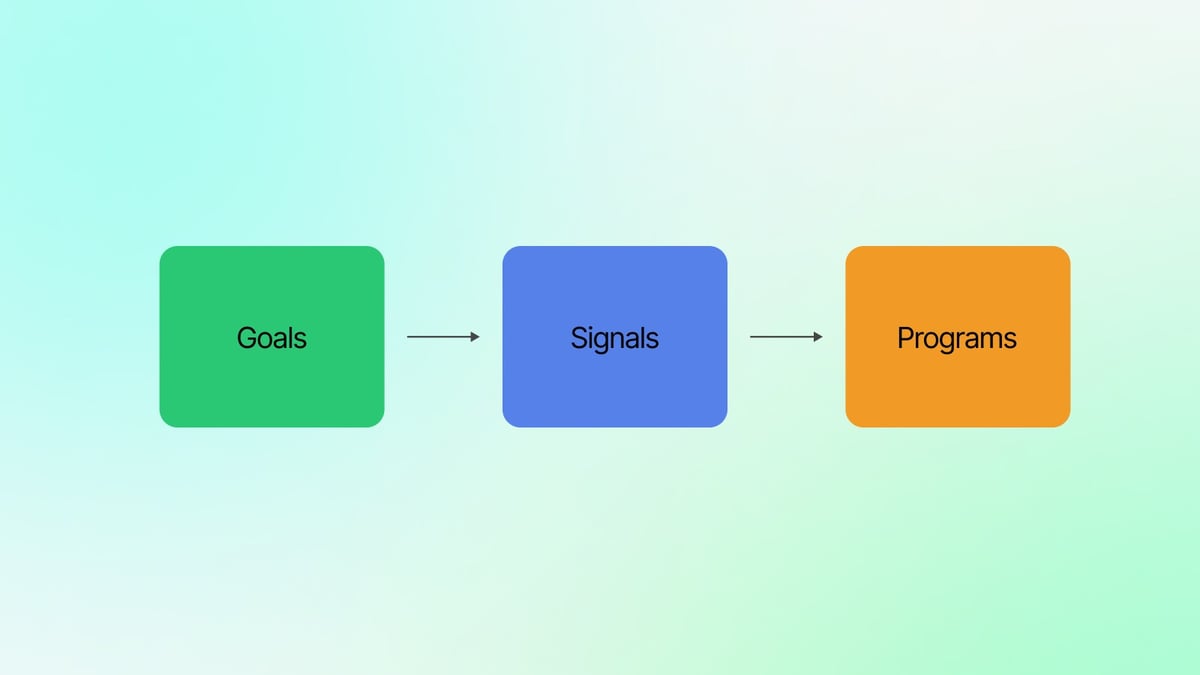
Translate goals into usable signals

GTM teams tend to plan around signals that help them make decisions. Community teams are often asked to describe programs. Bringing these perspectives together requires a small shift in framing.
Rather than leading with activities, it can be useful to start with what community can surface. Learning interests, recurring questions, and patterns of participation often reveal where people are in their journey.
Over time, this approach changes how planning conversations unfold:
  • Programs are discussed in terms of what they help reveal.
  • Engagement is viewed as a source of learning.
  • Metrics are interpreted directionally, not defensively.
Programs still matter, but their purpose becomes clearer.

Align early with stakeholders

Community planning benefits from being shaped alongside other teams rather than presented once complete. Early conversations with marketing, sales, product, and customer success help surface assumptions and avoid overlap.
This doesn’t require formal meetings. Even lightweight check-ins early in the process can clarify expectations and build shared ownership.
Helpful practices include:
  • Sharing a draft outline before locking plans.
  • Asking stakeholders what feels hardest to decide right now.
  • Identifying where community insight could add clarity.
When alignment happens early, planning tends to feel collaborative rather than transactional.

Plan in step with the business

When community planning is grounded in shared outcomes, signals, and early alignment, it becomes easier for others to engage with it. Community stops feeling like a separate initiative and starts functioning as part of the company’s planning rhythm.
January doesn’t require perfect answers. It rewards clarity of intent and openness to learning. Plans built this way tend to age better as priorities sharpen throughout the year.

Key takeaways

  • Start community planning from shared business outcomes.
  • Frame programs around the signals they surface.
  • Align early to reduce friction later.

FAQ

How detailed should plans be in January? Clear enough to show direction, flexible enough to adapt.
What if priorities shift mid-year? Signal-based plans tend to adjust more easily than activity-based ones.
How do I avoid overpromising? Set scope boundaries early and revisit them regularly.
Comments (0)
Popular
avatar

Table Of Contents
Dive in

Related

Resource
Gradual’s Community Superintelligence: What It Means for GTM Leaders
By Joshua Zerkel • Nov 10th, 2025 Views 13
Resource
Where AI Falls Short: The Human and Community Layer GTM Still Needs
By Joshua Zerkel • Sep 22nd, 2025 Views 17
Resource
Community Leaders on What GTM Teams Overlook About Customers
By Joshua Zerkel • Dec 4th, 2025 Views 1
Resource
Making the Leap: How GTM Specialists Grow Into Cross-Functional Leaders
By Joshua Zerkel • Sep 22nd, 2025 Views 9
Resource
Gradual’s Community Superintelligence: What It Means for GTM Leaders
By Joshua Zerkel • Nov 10th, 2025 Views 13
Resource
Community Leaders on What GTM Teams Overlook About Customers
By Joshua Zerkel • Dec 4th, 2025 Views 1
Resource
Making the Leap: How GTM Specialists Grow Into Cross-Functional Leaders
By Joshua Zerkel • Sep 22nd, 2025 Views 9
Resource
Where AI Falls Short: The Human and Community Layer GTM Still Needs
By Joshua Zerkel • Sep 22nd, 2025 Views 17
© 2026 Gradual Community
Privacy Policy