
Gradual Community
+00:00 GMT

Expanding From Support Communities to Strategic Programs That Drive Impact
Expanding From Support Communities to Strategic Programs That Drive Impact
# Role: Community/DevRel
# Theme: Customer Success & Support
# Format: Best Practices & Playbooks
# Challenge: Retention
# Challenge: Cross-Functional Alignment

How community, product, and GTM teams can evolve support-focused spaces into strategic ecosystems that strengthen learning, advocacy, and long-term business value.

December 3, 2025 · Last updated on December 4, 2025
Joshua Zerkel
Joshua Zerkel
Expanding From Support Communities to Strategic Programs That Drive Impact
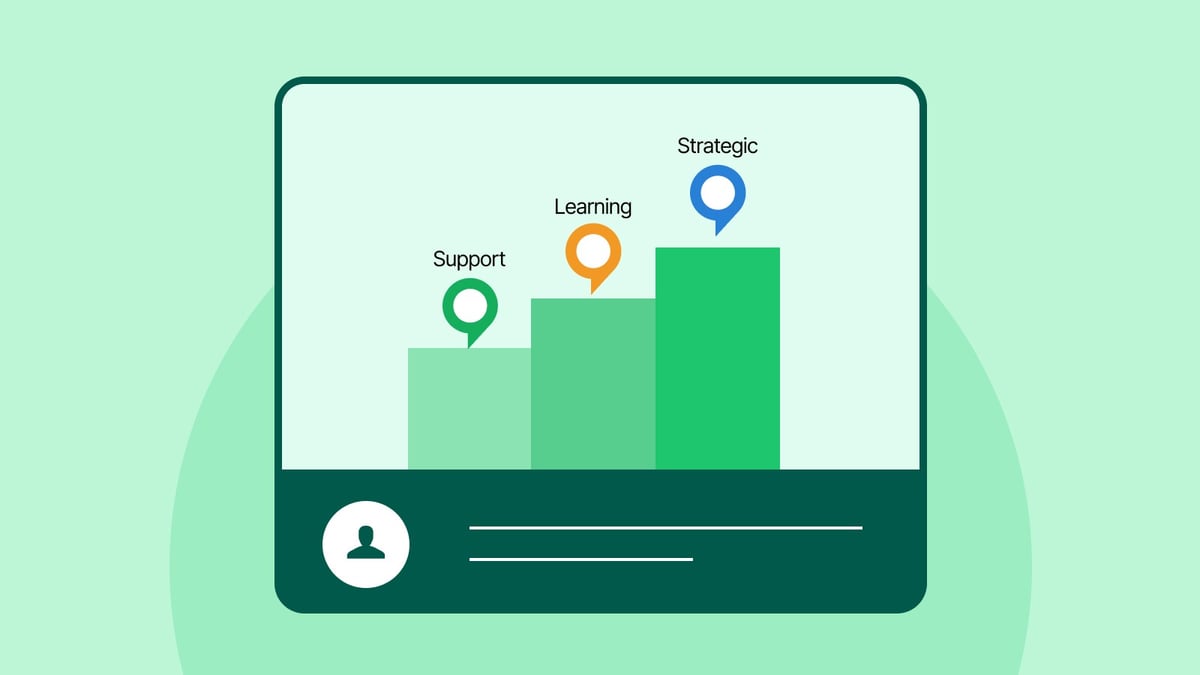
Many communities begin as support spaces. Members come with questions, challenges, and requests for help. These communities play an important role by reducing friction and speeding up time to value. But support alone rarely creates long-term engagement. When a community lives only as a place to get help, participation stays reactive and limited.
Communities that create lasting value expand beyond support into learning, resource sharing, peer connection, and strategic contribution. They become spaces where members do more than receive answers. They share ideas, build relationships, and discover opportunities for growth. This shift from support to strategic community is one of the most important transitions a modern organization can make.
This article offers a practical approach to evolving support communities into strategic programs that deepen value for customers and strengthen the work of GTM, product, and CX teams.

Why support communities are important but not enough

Support communities reduce friction and make it easier for customers to get started, troubleshoot issues, and stay productive. They also serve as an important entry point since many people’s first interaction with a community happens when they need help.
But support alone creates a limited engagement pattern. Once a member resolves their issue, they often leave until the next challenge. The relationship remains transactional, which makes long-term engagement harder to sustain.
Strategic communities expand the relationship. Instead of focusing on problems, they focus on progress. Instead of resolving one-off questions, they create ongoing value through learning, shared experiences, and peer connection.

What it means to expand beyond support

Expanding beyond support does not replace support spaces. It adds layers that encourage meaningful, recurring engagement. These layers often include:
Learning and education Guides, walkthroughs, workshops, and learning paths help members build confidence before they face challenges.
Peer-to-peer engagement Spaces where members compare approaches, offer advice, or share examples help build connection and trust.
Higher-level conversations Topics like trends, best practices, or AMAs with experts help members zoom out and think more strategically.
Opportunities to contribute Member-led events, templates, or insights encourage deeper investment and shared ownership.
Recognition and belonging Highlighting helpful members or celebrating contributions reinforces a healthy, supportive culture.
These layers turn a reactive support channel into a more complete ecosystem for learning, connection, and growth.

How to build the bridge from support to strategic community

Here is a clear, step-by-step approach to guide the transition:
Start with what members already show you Support questions often contain early signals about learning needs, onboarding gaps, and areas of opportunity. Use these signals to guide your next set of programs or resources.
Introduce educational resources based on real patterns Turn common or high-impact questions into guides or learning modules. Link these resources within support threads so members can naturally discover more proactive help.
Create spaces for broader conversation Introduce a discussion space for best practices, peer advice, or strategy-focused questions. Seed it with simple prompts that invite reflection or comparison.
Add lightweight programs that encourage connection Programs like monthly roundtables, peer circles, or async Q&As help shift the tone from “ask a question” to “share an insight.”
Invite select members to contribute Members who consistently offer help or share examples often appreciate the opportunity to contribute more. Offering them structured ways to participate strengthens both trust and engagement.
Strengthen the support workflow As the ecosystem expands, ensure support remains accessible and reliable. Clear pathways, tagging, and follow-up practices help keep the support experience consistent and efficient.

How to measure the transition

As your community expands beyond support, several signals will begin to appear:
  • Increased peer responses and shared advice
  • More frequent participation in discussions or learning programs
  • A broader mix of conversations beyond troubleshooting
  • Higher repeat attendance at events
  • Increased sharing of templates, workflows, or examples
  • A clearer sense of belonging among active members
These signals indicate that the community is evolving from a place where people get help to a place where they grow.

Key takeaways

Support communities play an important role, but they rarely create sustained engagement on their own. Expanding into learning, connection, and contribution helps communities become strategic assets that deepen adoption, strengthen relationships, and support business outcomes. The transition does not require starting from scratch. It begins with understanding what members already show you, layering in helpful programs, and creating space for people to participate in new ways.

FAQ

Do support communities need to be well established before expanding? No. Many strategic elements can emerge alongside active support spaces.
Who should lead the transition? Community teams typically guide the shift, with key support from product, CX, and marketing.
How long does the transition take? Most communities see meaningful shifts within one or two quarters when changes are introduced gradually and intentionally.
Comments (0)
Popular
avatar

Table Of Contents
Dive in

Related

Resource
Playbook: Expanding from Support to Strategic Communities
By Bill Johnston • Dec 5th, 2025 Views 2
Blog
Webinar Recap: From Activity to Impact: Executive Insights with Bill Johnston
By Bill Johnston • Nov 13th, 2025 Views 21
Resource
Playbook: How to Build a Focused Community Strategy That Delivers Impact
By Bill Johnston • Dec 5th, 2025 Views 2
Resource
Community Beyond Support Forums: From Case Deflection to Customer Connection 
By Joshua Zerkel • Nov 14th, 2025 Views 11
Resource
Playbook: Expanding from Support to Strategic Communities
By Bill Johnston • Dec 5th, 2025 Views 2
Resource
Playbook: How to Build a Focused Community Strategy That Delivers Impact
By Bill Johnston • Dec 5th, 2025 Views 2
Resource
Community Beyond Support Forums: From Case Deflection to Customer Connection 
By Joshua Zerkel • Nov 14th, 2025 Views 11
Blog
Webinar Recap: From Activity to Impact: Executive Insights with Bill Johnston
By Bill Johnston • Nov 13th, 2025 Views 21
© 2025 Gradual Community
Privacy Policy