
From Customer Engagement to Customer Growth: What We Learned With OpenAI, Contentsquare, and Gradual
# Format: Event Recaps
# Customer Success & Support
# Community
A recap of our Context First fireside chat with Kenna Valdez, Ursula Llabres, and Jerry Li, hosted alongside SuccessLab's Omid Razavi.
August 6, 2026
Joshua Zerkel
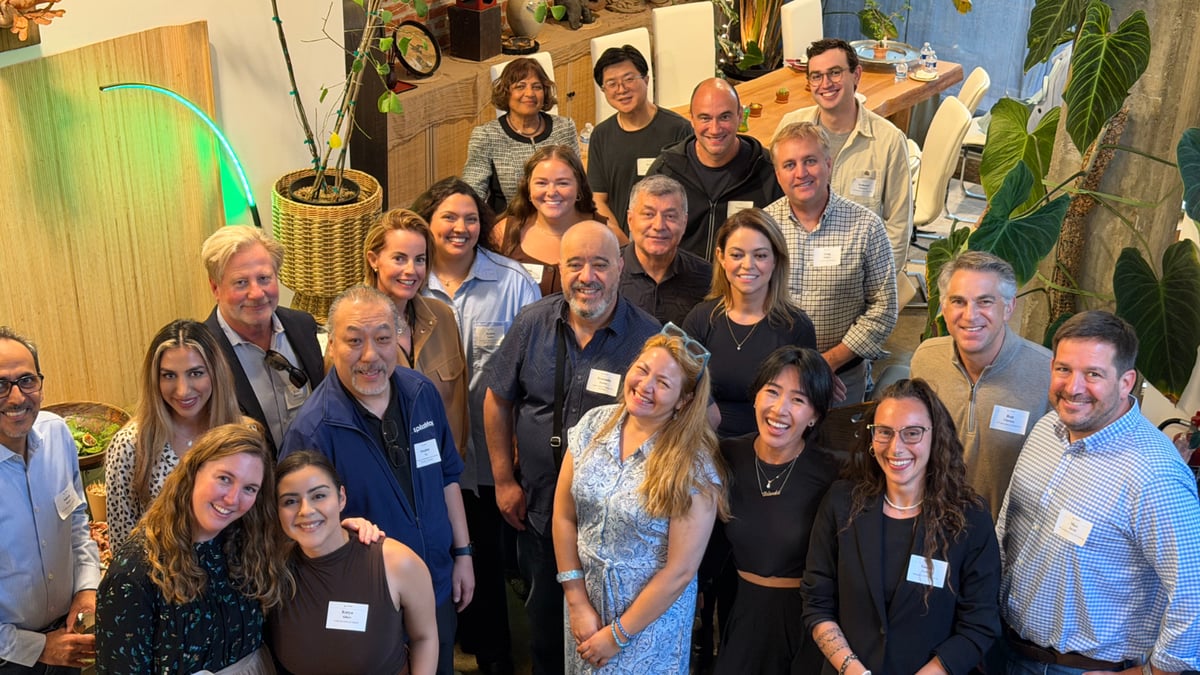
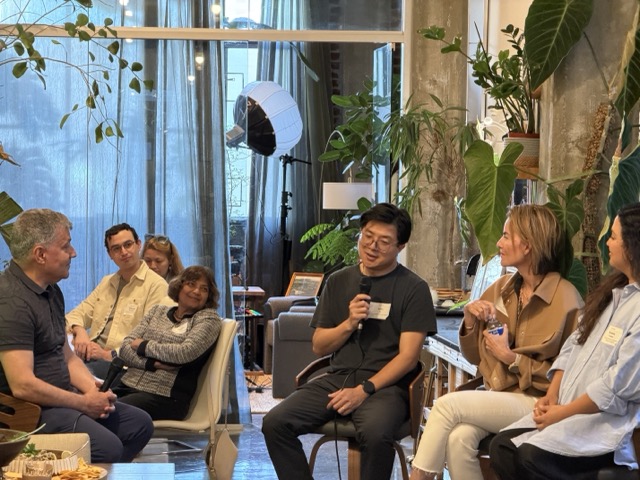
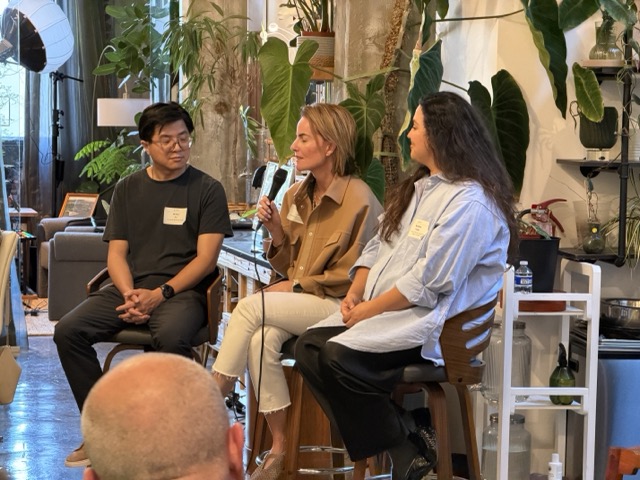
We recently hosted our latest Context First evening at Gradual HQ, and I'm still thinking about how much ground was covered during the evening. Customer Success expert Omid Razavi, who runs SuccessLab, moderated a fireside chat with three people who each see customer engagement from a different seat: Kenna Valdez, who runs customer education and champion programs at OpenAI after building a similar function at Clari; Ursula Llabres, who leads customer services and support at Contentsquare and spent years before that at Meta, Salesforce, and Sixth Street; and Jerry Li, Gradual's co-founder and CEO, who spent a decade building a community for engineering leaders.
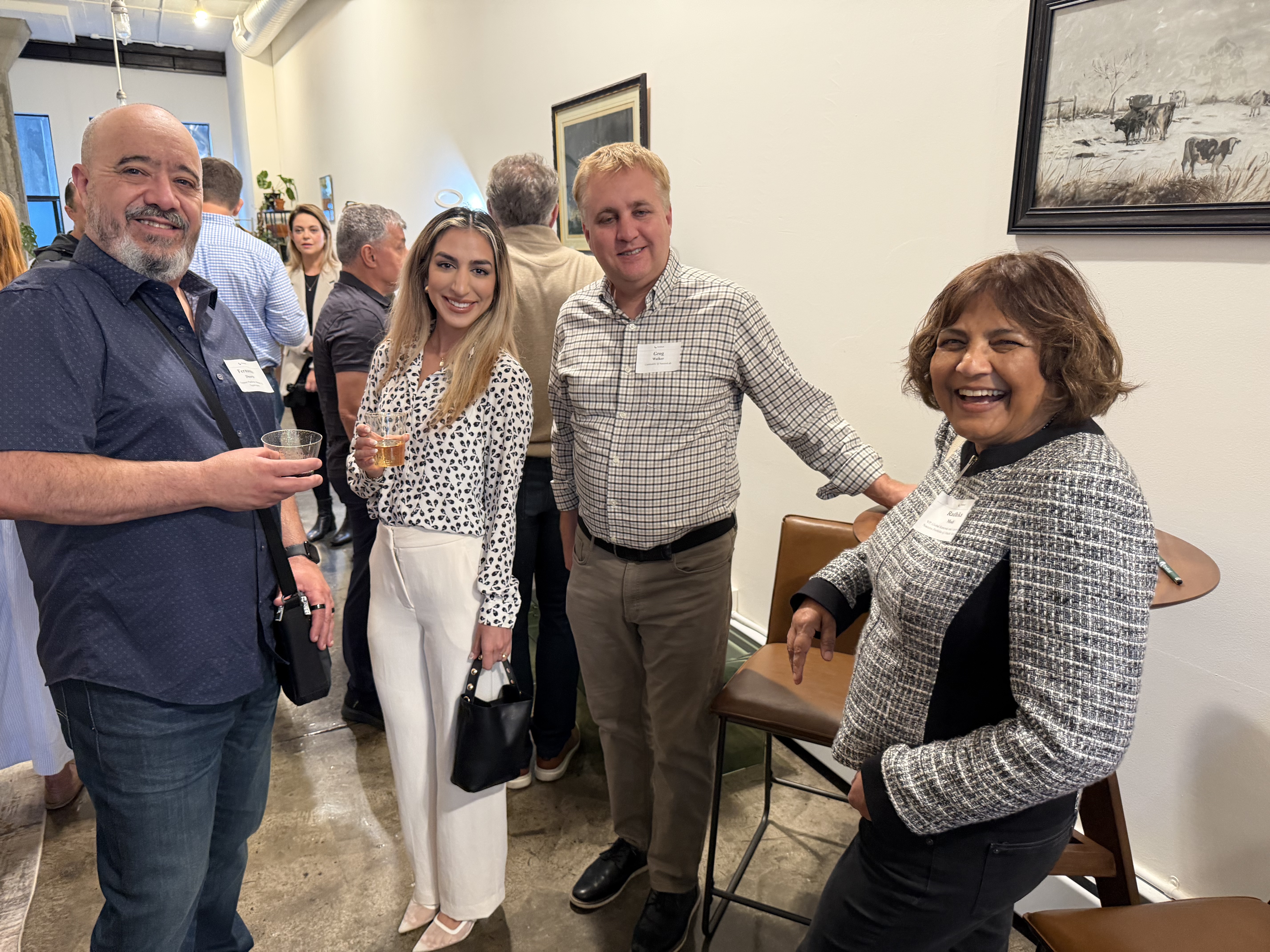
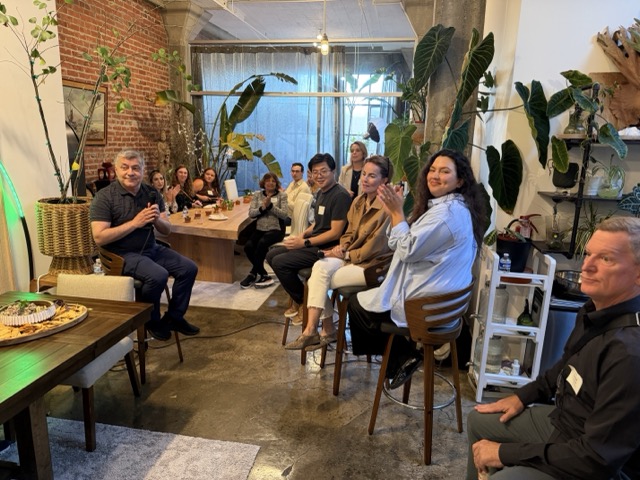
The room was full of customer-facing leaders from support, success, community, and marketing, and you could feel it in the questions. This wasn't a group looking for a definition of engagement they could put on a slide. It was a group trying to figure out who owns the signal customers are already giving off, and what to do with it.
Engagement means something different depending on where you sit, and that's the point
Omid opened with what sounded like a simple question: what is customer engagement? Nobody gave the same answer, and that turned out to be the most useful part of the conversation.
Jerry framed it as something a company earns. Every customer engages with a product for their own reasons, shaped by their own role and context, and engagement is the mechanism that lets you learn who someone actually is instead of relying on an assumed persona. Ursula pushed it further into product and design, arguing that engagement is every moment a customer has a footprint in their experience with you, not just the marketing and relationship layer on top. And Kenna zeroed in on what engagement captures that telemetry never will: the high-context conversations people have inside a community, in a champion circle or a roundtable, that tell you things about adoption you'd never get from a usage dashboard.
Jerry added that engagement is also about a customer contributing back, not just getting value from you. He talked about customers feeling proud when their ideas get built into the product, and about a broader shift toward co-creation between companies and the people who use what they make. That reframes the whole conversation, and it's why engagement works more like a relationship with give and take on both sides than a single stage in a funnel.
Support sees more of the customer than anyone else, and mostly doesn't get to act on it
When Omid turned the conversation toward support, one thing came up that I think a lot of people in the room recognized immediately. Support has more touchpoints with actual product users than sales or marketing, because support is talking to the person doing the work, not the person who signed the contract. And yet that intelligence rarely makes it back to product, because support teams are usually too busy being reactive to build the muscle of being proactive.
Ursula's version of this was concrete. She described a piece of analysis she ran while at Box: customers who had a real problem that got solved well were more likely to buy more from the company than customers who'd never had a problem at all. Going through something difficult together and coming out the other side builds a kind of trust that a clean, uneventful relationship doesn't. That's not an argument for creating problems on purpose (please don’t!)! Instead, treat the moments when things go wrong as the highest-leverage moments you have, and resource them like it.
That idea, that a solved problem can build more loyalty than no problem at all, is close to something researchers call the service recovery paradox, and it's worth sitting with if your team has always treated support tickets purely as a cost to minimize.
Advocacy works because it changes someone's career
This was probably my favorite thread of the night. Kenna talked about what actually makes someone a champion. It has less to do with whether they like your product and everything to do with whether their own success is tied to how well it gets adopted inside their organization. Making that person feel like a genuine partner, someone whose input matters and whose success you're personally invested in, is what turns them into an advocate. And one of the clearest signals of real advocacy, in her experience, is someone who moves to two or three different companies over their career and chooses to bring your product with them every time.
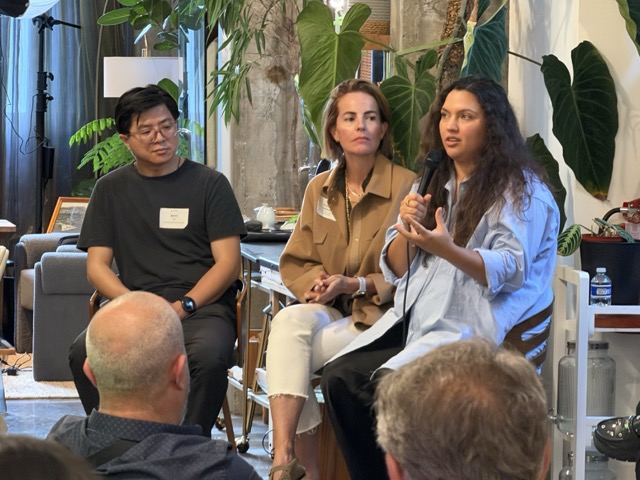
Ursula told a story about a customer who left to join a well-known telecom company and, once there, brought back a deal worth over a million dollars, one of the largest she's closed in years. She also pointed to Salesforce, where she spent five years helping build out the Trailblazer hero journey and the whole philosophy of turning user conferences into places where careers got made. Champions weren't just given swag. They were given a stage, and in some cases, an actual career path.
Both of them separately landed on the same practical move: treat advocacy as something you build deliberately, through specific, repeatable actions, rather than something you wait around to discover. At Meta, Ursula's team built templates that helped champions construct the business case for their own leadership, tying the tool to a metric their executive already cared about. And after implementation, her team learned to get customers to say out loud, explicitly, "yes, I'm set up for success." That verbal acknowledgment, tied back to the original reason they bought, turned out to matter more than any dashboard.
Growth follows intention
At some point Omid pushed the panel on the harder question: how does all this actually turn into revenue, and whose job is it? Ursula's answer was one of the more direct moments of the night. She's renamed her team from customer success to customer growth twice in her career, and she was clear that it wasn't cosmetic. It forced a mindset shift toward intentionality: not just creating the conditions for a customer to succeed, but being deliberate about where you spend time, who you segment as high-opportunity, and how you design the experience around expansion rather than just retention.
She talked about wanting her team's enablement conversations to start with discovery questions, what a customer is actually trying to accomplish, instead of leading with adoption numbers that don't mean anything without that context. And she came back to the point about problems and trust: the customers she prioritizes are the ones in the middle of something hard, because solving it together is what earns the next conversation about expansion.
AI raises the stakes on trust rather than replacing it
The last stretch of the conversation turned to AI, and this is where the panel disagreed just enough to make it interesting. Kenna's framing was the one I keep coming back to: people show up wanting to use AI everywhere, the way you'd pick up a hammer and start swinging it, instead of starting with what business problem actually matters right now and working backward to where AI helps. She talked about mapping the work as it happens today before redesigning around a model, because any ambiguity a human is quietly handling right now will surface the moment you try to automate around it without addressing it directly.
Ursula was candid about the downside she's watching, especially on LinkedIn, where AI-written posts have started to erode the credibility of what used to feel like a real community conversation. But she's also building toward something she's genuinely excited about: a support experience that's conversational and visual rather than just another chatbot, one that doesn't just answer the question you asked but proactively points out what else you could be doing better.
Jerry's point tied the whole evening together for me. Even the most AI-forward companies he works with are increasing their investment in relationship and community rather than pulling back, because AI can give you information and pattern recognition faster than ever, but it can't give someone a sense of belonging or the feeling of having solved a hard problem together with another person. That's still fundamentally human work, and it's not going anywhere.
Where this leaves us
Walking away from the evening, what stuck with me most is how much the conversation kept circling back to intention. Engagement only becomes valuable once someone decides to notice it, act on it, and build a system that keeps noticing it as the company grows. Whether that system lives in support, in marketing, or spread across a handful of teams that trust each other enough to share what they're each hearing, the companies in the room doing this well have all made a deliberate choice about it rather than letting it default to wherever the org chart happened to land.
Thanks again to Kenna, Ursula, and Jerry for being so generous with what they've actually seen work, and to Omid and the SuccessLab community for helping us bring the right room together.
Key Takeaways
- Customer engagement looks different depending on which team is describing it, but every definition on this panel came back to the same idea: engagement is how you learn who a customer actually is, beyond an assumed persona or a usage chart.
- Support teams have more direct contact with real product users than sales or marketing, and a well-handled problem can build more trust and future revenue than a relationship with no problems at all.
- The strongest advocates are people whose own careers benefit from your product's success, which is why champion programs that invest in a person's growth outperform programs that only ask for a testimonial.
- Renaming a team from "customer success" to "customer growth" is less about the label and more about forcing intentional decisions: where to spend time, which accounts to prioritize, and how to design for expansion rather than just retention.
- AI works best in this context when teams start with the actual business problem and map how the work happens today, rather than starting with the tool and looking for somewhere to apply it.
FAQ
What is customer engagement, according to this panel?
The panelists defined it in overlapping ways: as the mechanism that lets a company learn who a customer really is beyond an assumed persona (Jerry Li), as every moment that leaves a footprint on a customer's experience with a product, not just marketing and sales (Ursula Llabres), and as the high-context signal captured in community conversations that usage data alone can't surface (Kenna Valdez). Together, they treat engagement as a two-way relationship rather than a funnel stage.
How is customer advocacy different from customer satisfaction?
A satisfied customer likes your product. An advocate has skin in the game: their own career or reputation benefits from your product succeeding inside their organization. That's why the panelists focus on building champions deliberately, through career-building opportunities, business case templates, and public recognition, rather than treating advocacy as something that happens automatically once satisfaction is high enough.
Why did Ursula Llabres rename her team from customer success to customer growth?
She described it as a way to force intentionality. The name change pushed her team to think beyond simply helping customers succeed, toward being deliberate about where they invested time, which accounts had real expansion opportunity, and how the experience was designed to support that growth rather than treating every account the same way.
Should AI replace human community management or customer support?
Not according to any of the panelists. Jerry Li argued that AI can accelerate information and pattern recognition, but it can't replace the sense of trust and belonging that comes from solving a hard problem together with another person. Kenna Valdez added that the more useful approach is starting with the actual business problem and mapping today's process before deciding where AI genuinely helps.
Comments (0)
Popular

Dive in
Related
Video
Event Replay: Executive Insights with Gradual: Generating New Business from Repeat Customer Buyers
By Irwin Hipsman • Mar 5th, 2026 • Views 41
Blog
From Engagement to Intelligence: Community Roundtable in San Francisco
By Joshua Zerkel • Nov 19th, 2025 • Views 79
Blog
Webinar Recap: From Engagement to Revenue: Executive Insights with Anthony DeShazor
By Joshua Zerkel • Sep 24th, 2025 • Views 65
Blog
From Shared Wins to New Ideas: Community Roundtable with Gradual in San Francisco
By Joshua Zerkel • Sep 24th, 2025 • Views 30
Video
Event Replay: Executive Insights with Gradual: Generating New Business from Repeat Customer Buyers
By Irwin Hipsman • Mar 5th, 2026 • Views 41
Blog
Webinar Recap: From Engagement to Revenue: Executive Insights with Anthony DeShazor
By Joshua Zerkel • Sep 24th, 2025 • Views 65
Blog
From Shared Wins to New Ideas: Community Roundtable with Gradual in San Francisco
By Joshua Zerkel • Sep 24th, 2025 • Views 30
Blog
From Engagement to Intelligence: Community Roundtable in San Francisco
By Joshua Zerkel • Nov 19th, 2025 • Views 79